

What Are the Top Toys 4-Year-Olds Love Most?
Introduction Playing is an essential part of a child's development, offering...

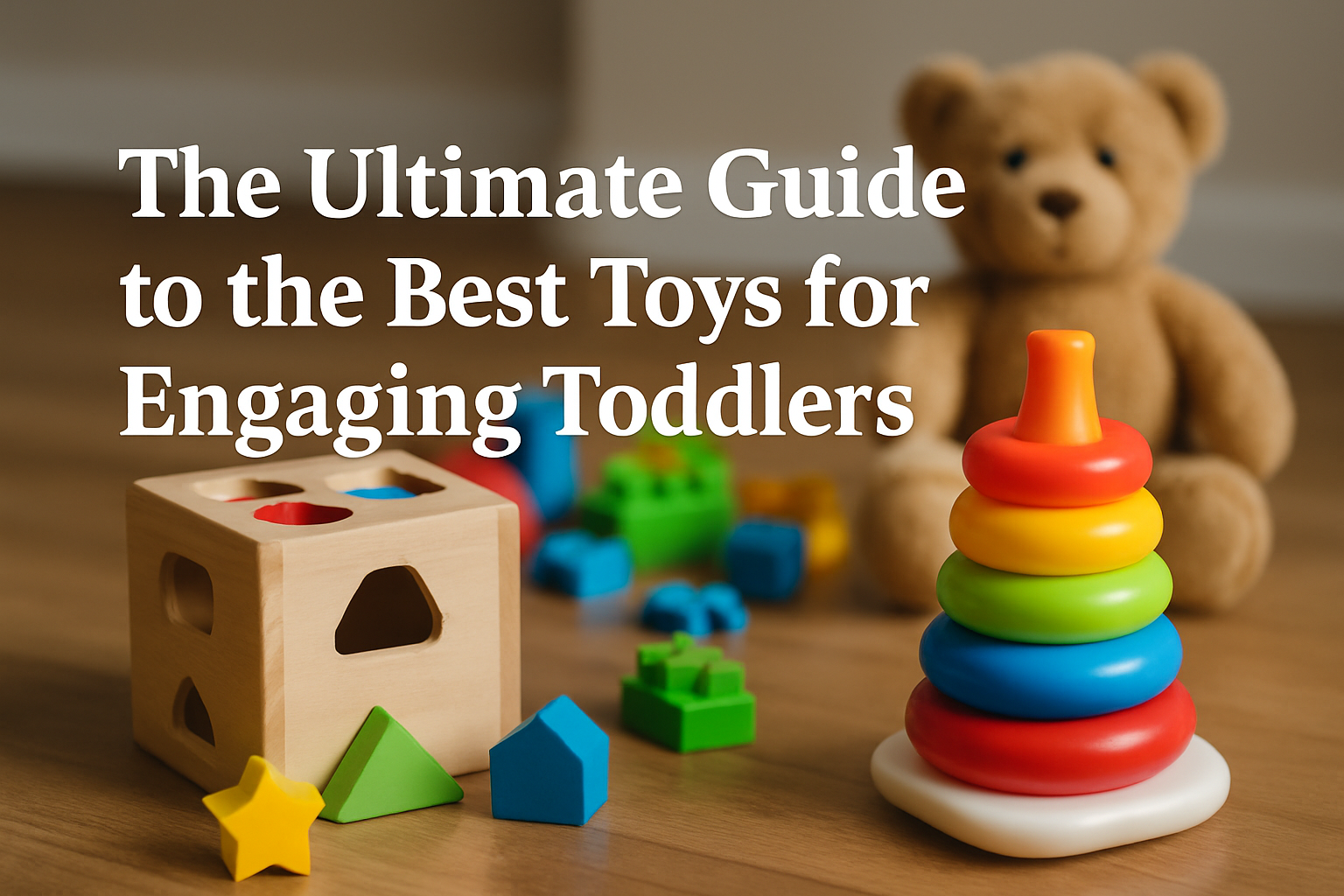

Playing is an essential part of a child's development, offering more than mere entertainment; it is a foundation for learning and growth. Engaging toddlers in play helps spark their creativity and encourages essential skills such as problem-solving and motor coordination. The right toys can significantly enhance these experiences, providing a platform for imagination and education while keeping little ones entertained.
Choosing the appropriate toys for toddlers is not just about their physical attributes. It involves understanding how these toys impact their development and facilitate learning. Items that encourage interactive play promote cognitive skills and facilitate social interactions among peers. As children manipulate toys, they learn spatial relationships, sequences, and develop fine motor skills. This underscores the importance of selecting toys that stimulate various developmental domains while being enjoyable for children.
The objective of this article is to identify and recommend the best toys for toddlers by integrating recent insights and parent feedback. We'll explore toys that are favored for their ability to hold toddlers' attention, promote learning, and are loved by both children and caregivers. By examining what makes these toys exceptional, this guide aims to assist parents in making informed choices that thrive in both play and learning environments.
Toddlers are naturally curious and full of energy, making their playtime essential for their development. The toys that capture their attention often share certain engaging qualities that extend playtime significantly. For example, toys that encourage open-ended play allow toddlers to express themselves and explore various scenarios. Engaging qualities such as vibrant colors, unique textures, and interactive elements attract toddlers, drawing them back for more. This prolonged engagement fosters essential skills, as children develop both their cognitive and physical abilities through play.
In addition to being captivating, educational toys play a vital role in stimulating toddlers’ mental and physical development. By layering fun with learning, these toys can inspire imagination while fostering problem-solving skills. For instance, toys that require sorting or stacking can enhance hand-eye coordination and fine motor skills, while interactive elements might provoke curiosity and a sense of discovery. The blend of enjoyment with educational value keeps toddlers intrigued, encouraging longer sessions of exploration. This connection between play and learning signifies the importance of selecting toys that align with developmental milestones.
Among the various types of toys, specific favorites have emerged that resonate with toddlers, leading to increased playtime. Stepping stones, for example, offer a unique physical play opportunity. These versatile pieces invite toddlers to climb, jump, and navigate an obstacle course, promoting balance and coordination. This active play is crucial as it helps build strength and confidence. Furthermore, toys like busy boards captivate little ones by encouraging fine motor skills and exploration. These boards often include a variety of locks, latches, and buttons, providing endless opportunities for toddlers to practice their dexterity.
Creative play also plays a significant role in a toddler's development. Craft supplies allow children to express their creativity, offering them tools to create and experiment with materials. This freedom to create fosters imaginative thinking and helps toddlers understand the concept of cause and effect. Another popular choice is interactive storybooks that engage toddlers in learning through storytelling. These books often incorporate sounds, textures, or flaps to lift, which keep children engaged while promoting a love for reading. By immersing themselves in stories, toddlers enhance their vocabulary and comprehension skills, making these books a valuable addition to playtime.
In summary, the toys that captivate toddlers' interest are diverse and multifaceted. From promoting physical agility with stepping stones and fine motor skills with busy boards to fueling creativity through craft supplies and instilling a love for stories with interactive books, each offers unique benefits. Understanding these preferences allows caregivers to choose toys that support comprehensive development, ensuring that playtime is both enjoyable and enriching.
Craft supplies are vital for toddlers as they allow open-ended exploration that stimulates creativity and artistic expression. Items such as colored papers, crayons, and non-toxic paints serve as the foundation for a child's creative journey. Through these materials, toddlers can express their thoughts and emotions, turning imagination into tangible artwork. The process of mixing colors and choosing materials enhances their decision-making skills while fostering a sense of ownership and pride over their creations.
The tactile experience of handling various craft supplies also contributes significantly to fine motor skill development. As toddlers cut, glue, and assemble their artistic projects, they practice essential hand-eye coordination and dexterity. These activities not only engage them creatively but also play an important role in building the muscle strength required for writing and other daily tasks later in life. Moreover, crafting can provide opportunities for sensory exploration, allowing children to discover textures, shapes, and colors.
Incorporating craft supplies into playtime can also encourage collaboration. When children work together on projects, they learn valuable social skills such as sharing, taking turns, and communicating their ideas. This cooperative effort can lead to meaningful conversations and joyful interactions, while also reinforcing the importance of teamwork. Overall, craft supplies are more than just toys; they are essential tools that nurture creativity, fine motor skills, and social development in toddlers.
Interactive play is essential for stimulating cognitive growth and promoting fine motor development among toddlers. Engaging toys that require manipulation, such as building blocks or sorting sets, encourage children to explore concepts such as balance, cause and effect, and spatial relationships. These types of toys not only captivate a toddler's interest but also challenge them to think critically and solve problems as they figure out how to connect pieces or complete tasks.
Furthermore, interactive play can foster collaboration and communication between peers. When toddlers engage in activities that require teamwork, they learn to express their ideas and negotiate solutions, enhancing their social skills. Games that involve turn-taking or cooperative challenges provide a platform for practicing important interpersonal skills. This interaction is invaluable as children navigate relationships and learn to work together towards common goals.
Another benefit of interactive play is its ability to bridge the gap between individual and group activities. Whether through structured games or freeform exploration, toddlers can enjoy substantial mental stimulation. As they navigate challenges and share successes, children develop resilience and confidence in their abilities. Thus, toys that encourage interactive engagement are pivotal not only for learning but also for cultivating a sense of community and belonging among toddlers.
Outdoor toys play a significant role in facilitating active play and promoting physical development in toddlers. For instance, sandboxes offer a unique opportunity for sensory play and creativity, inviting children to dig, build, and create without limits. The tactile experience of sand is incredibly stimulating, allowing toddlers to explore texture while developing fine motor skills through shoveling, pouring, and molding. These activities boost dexterity and provide foundational experiences for more complex tasks as they grow.
Water tables are another excellent addition to outdoor play. They encourage exploration and active engagement through sensory experiences with water. Toddlers can experiment with pouring, splashing, and navigating objects in a water environment, which not only enhances their understanding of basic scientific principles like buoyancy but also promotes imaginative play. The joy derived from water play can also improve social interactions as children often gather to share the experience, fostering cooperative play and communication skills.
In addition to sensory exploration, outdoor toys promote physical activity, essential for healthy development. Running, jumping, and climbing not only improve gross motor skills but also help toddlers develop strength, coordination, and balance. These activities are crucial for overall physical health and cognitive development, as they can result in better focus and attention when returning indoors. Ultimately, outdoor toys enrich playtime experiences and contribute to children's holistic development, making them a significant aspect of a toddler's learning environment.
When selecting toys for toddlers, it’s essential to recognize that the right choices can significantly impact their development. Toys are not just playthings; they are tools for learning and growth. Key considerations in this process include selecting toys that grow with the child, encourage exploration and problem-solving, and opting for open-ended toys that spark imagination.
To support a child’s developmental journey, it is important to select toys that grow with them. This means choosing items that can be used in multiple ways or that have different levels of complexity. For instance, a block set may start as a simple stacking exercise for a young toddler but can evolve into an intricate construction activity for an older child. This adaptability not only extends the life of the toy but also offers continuous opportunities for skill development. Parents can look for toys that offer adjustable features or those that can be integrated with new learning experiences as the child matures.
Furthermore, encouraging exploration and problem-solving through play is vital for developing critical thinking skills. Toys that challenge toddlers to think creatively and solve problems can foster cognitive growth. Puzzles, for example, provide engaging challenges that promote logical thinking and hand-eye coordination. Encouraging children to interact with toys that require them to navigate obstacles, build structures, or complete tasks allows them to develop perseverance and adaptability. These experiences are foundational in helping toddlers learn to approach challenges with confidence and creativity.
In addition to toys that foster growth and problem-solving skills, opting for open-ended toys is essential for sparking imagination. Open-ended toys allow children to create their own narratives, fostering creativity and self-expression. Instead of predefined methods of play, these toys can be used in innovative ways, letting toddlers’ imaginations run wild. Items such as play dough, building blocks, or art supplies can cater to diverse interests and allow for exploration in various forms. This freedom not only enhances playtime but also encourages collaboration with peers, further enhancing social skills. By choosing toys that inspire imaginative play, parents can help their toddlers develop essential cognitive, social, and emotional skills that will serve them well into the future.
When it comes to choosing toys for toddlers, safety and engagement are paramount concerns for parents. One of the most significant aspects to consider is the educational content that toys offer. Parents are increasingly aware of the developmental benefits that well-designed toys can provide. Educational toys can stimulate cognitive growth, enhance fine motor skills, and promote social interactions, all crucial for a child's development. Consequently, parents often look for toys that not only entertain but also teach essential skills. These toys are crafted to align with developmental milestones, including problem-solving and creativity. Selecting toys that encourage learning through play enables children to explore and understand their environment actively.
Additionally, managing toy clutter is a vital consideration for maintaining toddler engagement. It’s not just about having a multitude of toys but ensuring that the toys available are varied and fulfilling. When children are overwhelmed by too many toys, they may struggle to focus on any one item, leading to frustration and disengagement. Parents can create a play environment that promotes exploration and creativity by rotating toys and organizing play areas. This method keeps the toy experience fresh, allowing children to be excited about rediscovered items while minimizing distractions. Parents often find that limits on the number of toys at any given time enhances engagement, as children can delve deeper into play with fewer distractions.
Furthermore, creating a safe and stimulating environment goes beyond just the toys themselves. Safety is a primary concern; toys should be age-appropriate and free from harmful materials. Parents tend to prioritize products that adhere to strict safety regulations, as this provides peace of mind regarding their children's playtime experiences. Parents frequently share their insights regarding the importance of reading labels and understanding the safety certifications of toys. This diligence ensures that children can engage with their toys confidently, promoting an environment conducive to learning and development. Overall, safety and educational value, coupled with effective management strategies, create a rich and engaging play experience for toddlers.
Selecting the right toys for toddlers is more than just a recreational choice; it can significantly impact their growth and happiness. Engaging playtime activities contribute to various developmental areas, including cognitive skills, motor skills, and emotional well-being. The way toddlers interact with toys can stimulate their imagination and encourage problem-solving abilities. By fostering these vital skills through thoughtful play, caregivers can help ensure a robust foundation for learning and development.
As parents and caregivers consider their options, it's essential to explore toys that not only entertain but also promote interactive and meaningful engagement. Toys that inspire creativity and facilitate social interaction, such as building blocks or role-play items, are particularly effective. Additionally, toys that incorporate educational elements can enhance a toddler's learning experience. When toys encourage imaginative play and allow for varied interactions, they can become powerful tools for learning.
Ultimately, a fulfilling play experience hinges on providing children with opportunities to explore, create, and interact. Taking the time to choose toys that align with these principles can lead to joyful and enriching playtime. By embracing recommendations that prioritize developmental benefits, caregivers can significantly influence their child's growth trajectory, ensuring they derive the maximum joy and learning from their play experiences.


Introduction Playing is an essential part of a child's development, offering...

Introduction Playing is an essential part of a child's development, offering...