

What Are the Top Toys 4-Year-Olds Love Most?
IntroductionThe world of educational toys offers a fascinating arena where pl...

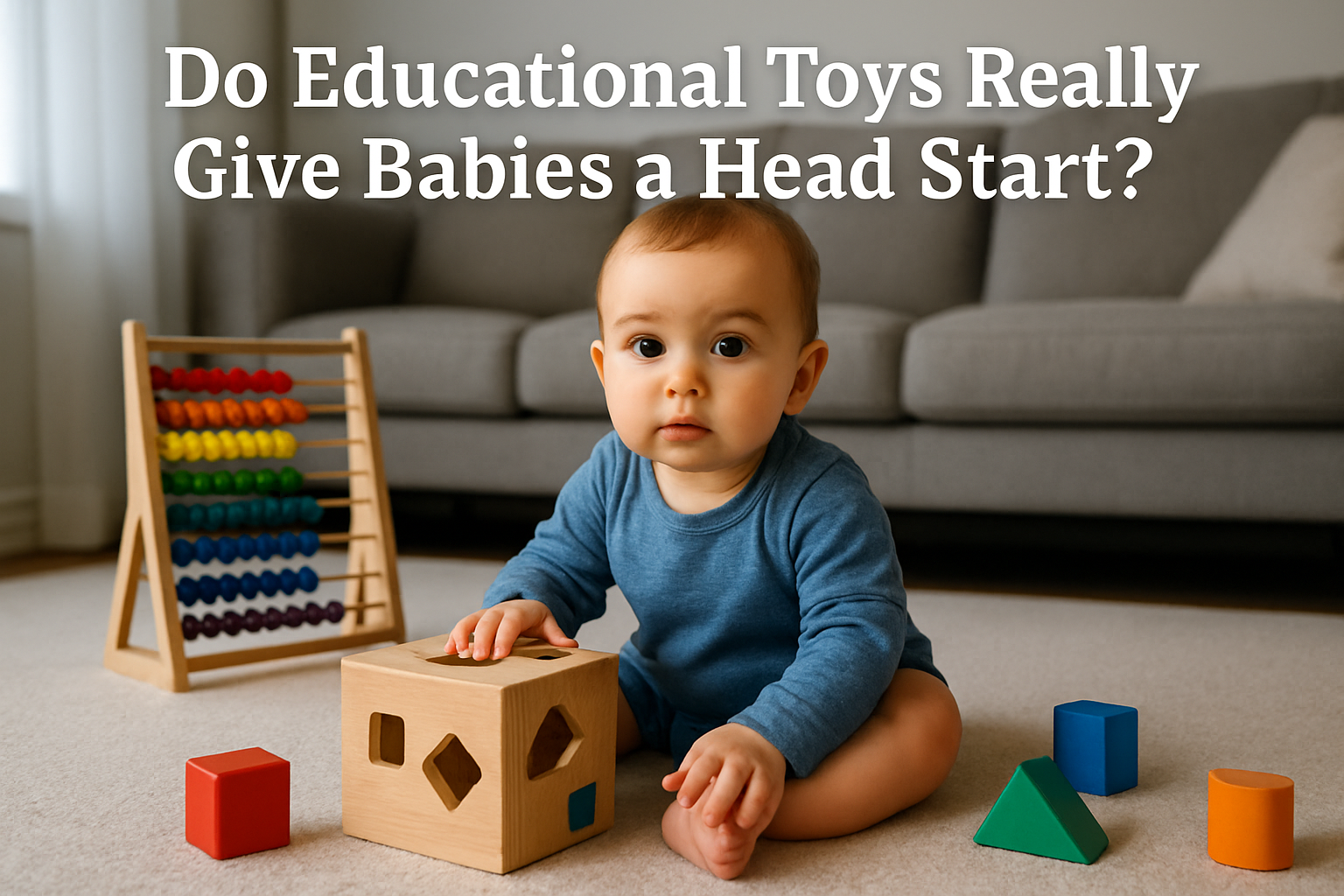

The world of educational toys offers a fascinating arena where play meets learning, especially for infants. These toys are more than just colorful objects; they hold the potential to shape a child's development in various crucial ways. Parents increasingly recognize the importance of selecting the right educational toys that can foster their little ones' cognitive, emotional, and social growth in those formative early years.
Infant development is profoundly rooted in exploration, and play serves as a vehicle for this critical learning process. Playing helps young children understand their surroundings, develop skills, and learn about relationships through interaction with diverse experiences. As children engage with their toys, they not only enjoy themselves but also lay the foundation for essential life skills and concepts such as problem-solving, creativity, and emotional resilience.
In this exploration of educational toys for infants, several key areas warrant discussion. First, we will delve into the multifaceted nature of educational toys and their effect on cognitive and physical development. Following this, we will analyze how play aids social and emotional learning. Lastly, we will consider the growing trend among parents to be more discerning in their choices, as they seek toys that truly contribute to their child's developmental milestones. By understanding these aspects, parents can make more informed decisions, ensuring their children receive the best possible start in life.
Educational toys play a significant role in the developmental phases of infants and toddlers. These toys are specifically designed to facilitate learning through interactive play. By engaging children in activities that stimulate their cognitive, social, and emotional growth, educational toys help in nurturing essential skills during these formative years. These toys are not merely sources of entertainment; they serve a foundational purpose in preparing children for future learning experiences.
The primary focus of educational toys is to support various aspects of child development. For instance, cognitive development is significantly enhanced when children engage with toys that encourage problem-solving, critical thinking, and creativity. Toys that require assembly or sorting help children learn about cause and effect, spatial awareness, and the differentiation between shapes and colors. These early experiences with educational toys lay the groundwork for more complex learning scenarios as children grow.
Furthermore, educational toys are instrumental in supporting social and emotional development. Through play, children learn to navigate relationships with their peers, express their emotions, and develop empathy. Cooperative games or team-building toys encourage sharing, taking turns, and working together towards common goals. In doing so, these toys foster essential social skills that are crucial for successful interactions throughout life. The emotional engagement that comes from playtime is equally important, as it allows children to explore their feelings in a safe environment.
In summary, the purpose of educational toys extends well beyond mere play. They are tools that aid in cognitive, social, and emotional development, ensuring that children can thrive in their early learning environments. By encouraging exploration and collaboration through playful interaction, educational toys cultivate a well-rounded foundation that supports lifelong learning. Through a thoughtful selection of these toys, parents and caregivers can significantly influence the developmental trajectory of young children, setting them up for success in future educational endeavors.
Play is a fundamental aspect of childhood that significantly influences cognitive development. During playtime, children engage in exploration and problem-solving activities that are vital for their cognitive growth. These experiences allow them to experiment with their surroundings, test hypotheses, and develop critical thinking skills. For instance, when children interact with objects, they learn to associate actions with outcomes, which solidifies their understanding of concepts such as cause and effect. This engagement not only enhances their cognitive pathways but also encourages an inquisitive nature, fostering lifelong learning.
Educational toys play a significant role in supporting cognitive development. Toys designed for specific learning outcomes, such as stacking blocks and shape sorters, challenge children to think creatively and logically. Stacking blocks, for example, help develop spatial awareness and coordination as children learn to balance objects. Shape sorters, on the other hand, introduce concepts of categorization and problem-solving, as children must identify shapes and fit them into corresponding slots. These activities promote critical cognitive processes, including memory retention and analytical thinking, preparing children for more complex tasks in their future academic endeavors.
Moreover, understanding essential concepts such as object permanence is crucial for cognitive development during early childhood. Object permanence refers to the realization that objects continue to exist even when they are out of sight. Engaging in play that emphasizes this concept can lead to deeper cognitive understanding, allowing children to develop memory skills and improve their ability to focus. Play environments that encourage open-ended exploration not only stimulate cognitive skills but also help children build confidence and independence in their learning journeys.
The quantity of toys available in a child's environment can significantly impact their cognitive development. Research indicates that children thrive in less cluttered play spaces, as an environment with fewer toys allows them to engage in longer and more complex play activities. Fewer toys can lessen distractions, enabling children to focus on a single task for extended periods. This concentration enhances their ability to immerse themselves fully in play and develop deeper cognitive connections with the activities they are involved in.
Cluttered environments often overwhelm young children, leading to shorter playtimes and fragmented attention. When children have too many toys, they may struggle to choose which one to play with, reducing the depth of their engagement in each activity. In contrast, having a limited selection encourages children to think more creatively about how to interact with their available resources, fostering problem-solving skills and perseverance. By focusing on fewer toys, children are more likely to explore various ways to play, enhancing their cognitive and social skills through collaboration and negotiation with peers.
Additionally, a simplified toy environment allows for more meaningful interactions between caregivers and children. When adults engage with children in play, they can guide their learning process while discussing concepts related to the activity. This interaction naturally enriches the cognitive experience, as it doesn’t just involve the child playing independently. Instead, it emphasizes the relational aspect of learning, where communication and collaboration drive cognitive advancement. Ultimately, creating a thoughtful play environment where toy quantity is carefully managed can lead to substantial long-term benefits for children's cognitive development.
Educational toys serve as tools that stimulate various senses, crucial for effective cognitive processing. Toys designed to engage touch, sound, and sight can significantly enhance a child's learning experience by appealing to their innate curiosity and desire to explore. For instance, toys with different textures encourage tactile exploration, which is essential for developing fine motor skills and sensory perception. Similarly, toys emitting sounds provide auditory feedback that aids in learning cause and effect, as children begin to connect specific actions with corresponding sounds.
Problem-solving toys are particularly effective in promoting cognitive skills such as spatial awareness and decision-making. These toys, which often include puzzles and building sets, challenge children to think critically as they navigate various scenarios. Children learn to identify patterns, strategize approaches, and assess outcomes—skills that are directly transferable to later academic and life situations. The process of trial and error inherent in problem-solving play also nurtures resilience, as children learn to persevere through challenges and celebrate successes.
Furthermore, educational toys encourage collaborative play, which is essential for developing social cognitive skills. When children play together, they engage in negotiations and shared problem-solving, fostering communication and empathy. These interactions help them understand diverse perspectives and develop critical social skills that will benefit them throughout their lives. By enhancing both individual and social cognitive abilities, educational toys play a significant role in shaping well-rounded children equipped for future challenges.
The early stages of childhood are critical for the development of both physical and motor skills. Engaging children with toys that promote physical activities can significantly enhance their gross motor skills. Gross motor skills are essential as they involve movements that require the use of larger muscle groups. Activities such as running, jumping, and climbing play a key role in improving a child’s balance, coordination, and overall physical strength. Toys that encourage these physical activities can include items such as balls, ride-on toys, and climbing structures, which give children the opportunity to explore their physical capabilities while having fun.
Furthermore, manipulation toys play a vital role in helping children refine their fine motor skills. Fine motor skills refer to the small movements of the hands and fingers, which are necessary for tasks like writing, buttoning clothes, and using utensils. Puzzles, building blocks, and other interactive toys that require precise movements encourage the development of hand-eye coordination and dexterity. By focusing on these skills during playtime, children not only bond with their peers but also build confidence in their abilities, laying a strong foundation for future challenges.
In addition to enhancing physical and motor skill development, these toys can lead to imaginative play, which is crucial for cognitive development. Activities that involve building or problem-solving stimulate a child's creativity and critical thinking. By merging physical activity with educational play, parents and caregivers can foster an environment where children actively learn while developing their physical capabilities. Thus, promoting an early affinity for physical activity through engaging toys not only aids in enhancing gross and fine motor skills but also encourages a lifelong love for movement and exploration.
Motor skills development begins in infancy and continues to evolve as babies grow. Understanding how motor skills relate to everyday activities is essential for parents and caregivers. Skills such as reaching for toys, grasping objects, and crawling are fundamental to a baby’s exploration of their surroundings. These actions are not just about movement; they play a crucial role in a baby's cognitive development. Each reach and grasp helps build neural connections, which are vital for future learning and physical proficiency.
Additionally, there are a variety of educational toys specifically designed to support motor skills improvement in babies and toddlers. Toys that encourage movement, like push toys or crawling tunnels, provide opportunities for babies to practice their skills in a dynamic way. Sensory toys that make sounds or light up when touched can also engage a baby’s attention and motivate them to reach out and interact. As babies manipulate these toys, they develop a stronger grip, better hand-eye coordination, and an understanding of cause and effect, all of which contribute to their motor skills growth.
Moreover, the environment in which babies play significantly influences their motor skill development. Creating safe spaces for movement allows infants to explore their physical capabilities without restrictions. Encouraging different types of movements, such as rolling, reaching, and crawling, also enhances their bodily awareness and confidence. Through play, babies learn about their environment and how their bodies interact with it, effectively laying the groundwork for future physical achievements. By providing the right kind of support and opportunities for movement, parents can help nurture their baby's motor skills in these formative years.
Interaction is central to developing social skills in children, and play provides a rich environment for this. Engaging with peers and adults while using educational toys allows children to explore relationships, communicate effectively, and understand social cues. For instance, when playing together, children learn to share, take turns, and collaborate on shared tasks. These experiences are foundational in shaping their social behaviors and attitudes toward others. Through playful interactions, they begin to internalize how to express themselves within various social contexts, laying the groundwork for healthy future relationships.
Role-playing games, facilitated by toys, serve as a powerful tool for exploring social dynamics and emotions. These games invite children to step into different roles, allowing them to navigate scenarios that mirror real-life situations. As they assume various personas, children practice empathy, learning to understand the feelings and perspectives of others. This imaginative play is not simply entertainment; it’s a critical process through which children experiment with different social roles, conflict resolution strategies, and cooperative behaviors. Through this kind of play, children develop a deeper appreciation for collaboration and the nuances of interpersonal interactions.
Moreover, the benefits of fostering social skills through play extend beyond childhood. The ability to engage meaningfully with others is an essential life skill that influences future success in personal relationships and professional environments. As children continue to engage in various social contexts through play, they build stronger interpersonal skills that contribute to their overall emotional intelligence. This foundation equips them to handle social challenges as they grow, making early engagement through play paramount in their development.
Imaginative play is a gateway to emotional intelligence, allowing children to express and manage their feelings effectively. Toys that encourage this type of creativity enable children to engage in scenarios that provoke various emotional responses. As they enact different narratives and situations, they practice recognizing and articulating their emotions, which is vital for developing emotional regulation skills. This form of play provides a safe space where children can explore feelings such as joy, sadness, anger, and fear without real-world consequences.
Character role-play is particularly significant in this context. As children take on different characters, they learn to express complex emotions. For instance, by portraying a character facing a challenge, a child can explore frustration or resilience. This practice strengthens their emotional vocabulary and equips them to cope with real-life situations. Additionally, through role-play, children can re-enact experiences from their own lives, providing an opportunity to process their feelings and reactions in a controlled environment. This reflection is essential for developing self-awareness and emotional depth.
Furthermore, the impact of psychosocial development through play is profound and lasting. Children who engage in imaginative play are often better equipped to navigate their feelings and relate to others empathetically. Their experiences in play allow them to build a toolkit for understanding both their emotions and those of others. This emotional intelligence becomes increasingly important as they face the complexities of adolescence and adulthood, ultimately shaping how they interact with the world around them. By integrating play into daily life, caregivers and educators can cultivate healthier emotional environments for their children, ensuring development that extends well beyond the playroom.
Play is an essential component of childhood that significantly influences learning and development. It supports healthy brain development and provides safe environments for children to explore their surroundings. During playtime, children engage in activities that stimulate cognitive growth and foster creativity. This exploratory nature of play allows them to make sense of the world around them, engage in problem-solving, and develop critical thinking skills. As children interact with objects and peers during play, they not only learn but also build a sense of confidence and autonomy, which is crucial as they grow.
Additionally, engagement in play enhances language skills and facilitates social interactions among peers. As children play, they engage in conversations, express emotions, and develop vocabulary through context-based learning. Games that require turn-taking and cooperation teach children essential social skills like teamwork, empathy, and communication. These interactions during playtime are instrumental in helping children establish relationships and navigate social dynamics effectively. By participating in various forms of play—whether it’s pretend play, structured games, or physical activities—children cultivate an understanding of social cues and norms that are vital for their overall development.
The theories that support learning through play derive from notable psychologists who have emphasized the importance of active engagement in learning processes. Piaget's theory posits that children learn most effectively when they are actively involved in their learning experiences rather than passively receiving information. Play, according to Piaget, allows children to construct their own knowledge through exploration and experimentation. The richness of play facilitates cognitive development as children encounter new ideas and challenges, allowing them to assimilate and accommodate new information effectively.
Moreover, Vygotsky's ideas further underline the role of guided play in learning. He emphasized that social interaction, particularly with adults or more knowledgeable peers, is vital for cognitive growth. When adults facilitate play by providing context, guidance, or new challenges, they contribute to the child’s learning experience, allowing for deeper understanding and skill acquisition. This guided approach can enhance the benefits of play, making it a key component of effective early childhood education. The combination of both Piaget’s and Vygotsky’s perspectives highlights that play is not merely a leisure activity; it is a fundamental process through which children learn and develop the necessary skills to thrive.
Selecting the right toys for children can have a profound impact on their development. Parents and caregivers should prioritize age-appropriate toys that align well with developmental milestones. This ensures that the toys not only capture children's interest but also support their growth and learning processes. For instance, toys designed for infants, such as soft blocks and colorful rattles, are essential for sensory stimulation and motor skill development. As children grow and their cognitive skills evolve, they will benefit from more complex toys that encourage imaginative play, problem-solving, and social interaction.
When choosing toys, it is critical to focus on those that promote active engagement rather than passive consumption. Active engagement toys require children to interact, explore, and think critically. For example, building sets encourage creativity and fine motor skills, while puzzles enhance problem-solving abilities. Conversely, toys that lead to passive play, such as those that provide little interaction, may hinder a child's ability to develop essential skills. Encouraging hands-on play enables children to experiment, make decisions, and learn from their experiences, ultimately enriching their playtime and fostering cognitive and physical development.
Additionally, considering the safety and suitability of toys is vital in ensuring a safe play environment. Parents should look for toys that are free from harmful materials and fit for children's age and abilities. Safety standards, such as avoiding small parts that may pose choking hazards for younger children, should always guide toy selection. By emphasizing both active engagement and safety, caregivers can create enriching play experiences that foster a child's developmental progress. In the end, the right toys serve not only as a source of entertainment but as powerful tools in nurturing a child's growth across cognitive, emotional, and social domains.
The long-term benefits of educational toys on children's learning outcomes are substantial. Engaging with these toys during formative years can enhance cognitive skills significantly. Children who play with educational toys often develop better problem-solving abilities, critical thinking skills, and enhanced creativity. For instance, toys that encourage building and construction foster spatial awareness and logical reasoning, essential components of mathematical and scientific understanding. Furthermore, studies have indicated that children who engage regularly with cognitive-based toys tend to perform better academically as they grow older, largely due to the foundational skills cultivated through play.
Moreover, the importance of interacting with a varied selection of educational toys cannot be overstated. Each type of toy can bring forth unique developmental opportunities. While puzzles might enhance logical thinking, art materials can foster creativity and self-expression. When children are exposed to a diverse range of play experiences, they are more likely to develop a well-rounded skill set. This variety not only sustains their interest and curiosity but also encourages the exploration of different concepts and ideas. A holistic approach to play helps to reinforce learning outcomes in multiple areas, making it a vital aspect of early childhood development.
Socially and emotionally, educational toys also play a pivotal role in shaping children's interactions with peers. Cooperative games, for example, encourage teamwork and communication, teaching children how to share, negotiate, and resolve conflicts. These skills are invaluable as they transition into school environments and beyond. Furthermore, engaging with toys that require social interaction can help improve emotional intelligence. Children learn to read social cues, understand emotions, and develop empathy through play scenarios. Thus, the role of educational toys extends beyond mere entertainment; they are crucial tools for fostering social skills and emotional resilience, equipping children with essential life skills that will benefit them well into adulthood.
The landscape of educational toys is rapidly evolving, reflecting broader trends in society that prioritize critical skills and innovative learning approaches. Today, there’s an observable surge in the popularity of STEM (Science, Technology, Engineering, and Mathematics) and STEAM (which includes Arts) toys. These toys are specifically designed to foster children’s analytical skills, creativity, and problem-solving abilities. Parents and educators increasingly recognize the importance of engaging children in hands-on learning experiences that nurture cognitive development. By integrating complex concepts into playtime, children are not just entertained but also challenged to think critically and innovatively.
Moreover, the emergence of technology-integrated toys underscores a significant shift in how children interact with learning materials. Today’s educational toys often feature smart technology that enhances playthrough interactive, engaging experiences. These tech-driven toys promote various skills, from coding and robotics to art and design. By merging traditional play with modern technologies, manufacturers are providing children with the tools they need to navigate a future dominated by tech innovations. This trend aligns with educational frameworks that advocate for digital literacy as an essential competence for the 21st century, emphasizing the importance of preparing children for a technology-driven world.
In addition to fostering critical thinking through STEM and STEAM learning, these trends also reflect a growing societal shift towards comprehensive learning experiences. Educators and parents value toys that not only teach but also inspire creativity and collaboration. As a result, many educational toys now encourage social play and group activities, enabling children to develop teamwork skills alongside their cognitive abilities. Whether through building sets, coding games, or collaborative art projects, educational toys today are more than mere playthings; they are vital tools that equip children with the necessary skills to thrive in an increasingly complex world. As engagement levels rise, these toys are not only reinforcing foundational knowledge but also instilling a love for lifelong learning.
Cultural differences significantly shape how children perceive and interact with educational toys. These cultural variations often spring from distinct maternal scaffolding styles employed across different societies. Maternal scaffolding refers to the support mothers provide to facilitate their children's learning during play. For instance, in some cultures, mothers may adopt a more hands-on approach, directly showing children how to use toys to aid in skill development, whereas, in other cultures, the emphasis may be on allowing children to explore their toys independently. This balance of guidance versus independence can profoundly influence how children learn and absorb information through play.
Furthermore, the values inherent in a culture can dictate the types of play and toys that are deemed important. In cultures that prioritize collaborative learning, toys that promote teamwork, communication, and group activities may be favored. These toys might encourage sharing, working together in problem-solving scenarios, and joint imaginative play. In contrast, cultures that emphasize individual achievement may lean towards toys that focus on personal skills and accomplishments, showcasing a broader spectrum of learning approaches. This discrepancy highlights how deeply rooted beliefs about education and development can manifest in children’s play habits and the tools they use.
The varying perspectives on educational toys also extend to the symbolism attached to them. For example, in some cultures, certain toys may represent specific values, such as respect or discipline, while in others, toys may serve as vehicles for creativity and self-expression. This nuance is vital in the selection of toys and their setting within educational contexts. Educators and parents alike must recognize these differences to better support a child's development through play. By understanding cultural contexts, they can select toys that resonate more deeply with children’s experiences and values, thereby enhancing the educational potential of play.
Infants naturally explore their world, and creativity doesn't need to rely on commercial toys. Everyday items can stimulate imaginative play and support development. For instance, a simple cardboard box can transform into a fort, a spaceship, or a race car, providing endless opportunities for pretend play. Children can spend hours exploring the possibilities, which aids in cognitive development by encouraging problem-solving and critical thinking. The versatility of such items supports the concept that play can take many forms, reinforcing imaginative skills without the need for purchased toys.
Using items found around the house also fosters toddlers' creativity and resourcefulness. Pots, pans, and even kitchen utensils can become instruments for making music or tools for culinary adventures. This kind of play not only develops fine motor skills through grasping and moving objects but also heightens sensory awareness. By engaging with materials that are safe and accessible, children learn to interact with their environment, enhancing their spatial and sensory comprehension. Moreover, this hands-on approach encourages them to explore textures, sounds, and even balance—key components of their overall developmental milestones.
Furthermore, the use of everyday items can facilitate social interactions. When children share their imaginative play experiences with peers, they enhance their communication skills and emotional intelligence. For example, inviting friends to join in a cardboard box adventure not only adds to the excitement but also teaches cooperation and teamwork. By recognizing the potential in common household items, caregivers can create a rich learning environment that values creativity, collaboration, and cognitive growth.
Engagement goes beyond just toys; meaningful interaction plays a crucial role in infant development. Reading with infants, even if they don't understand every word, enriches their language acquisition and comprehension. The rhythm and melody of spoken language stimulate auditory development, which is foundational for later literacy skills. Moreover, exploring new environments, whether it be a walk in the park or a trip to the grocery store, provides sensory experiences that are vital for brain development. Parents and caregivers should take advantage of these mundane activities to introduce new vocabulary, discuss colors, shapes, and sounds, and foster an inquisitive spirit in young children.
Sensory activities, too, are paramount. Simple experiences like playing with water or feeling different fabrics can spark curiosity and learning. As infants manipulate items with varying textures or temperatures, they develop a better understanding of their physical world. Sensory play not only aids in cognitive skills but also supports emotional regulation, helping children to express their feelings in a constructive way. Engaging in these activities together fosters connection and attachment, which are critical for emotional and social development.
Ultimately, prioritizing interaction over toys cultivates a nurturing environment for infants. Caregivers can become active participants in their child's learning journey by creating intentional moments for exploration and discovery. This focus on hands-on experiences and interactions encourages infants to engage with the world meaningfully, laying a foundation for lifelong learning. By utilizing everyday items and prioritizing interactive experiences, parents can play a transformative role in their children's growth and development, highlighting that the world itself can be the best educational resource.



IntroductionThe world of educational toys offers a fascinating arena where pl...
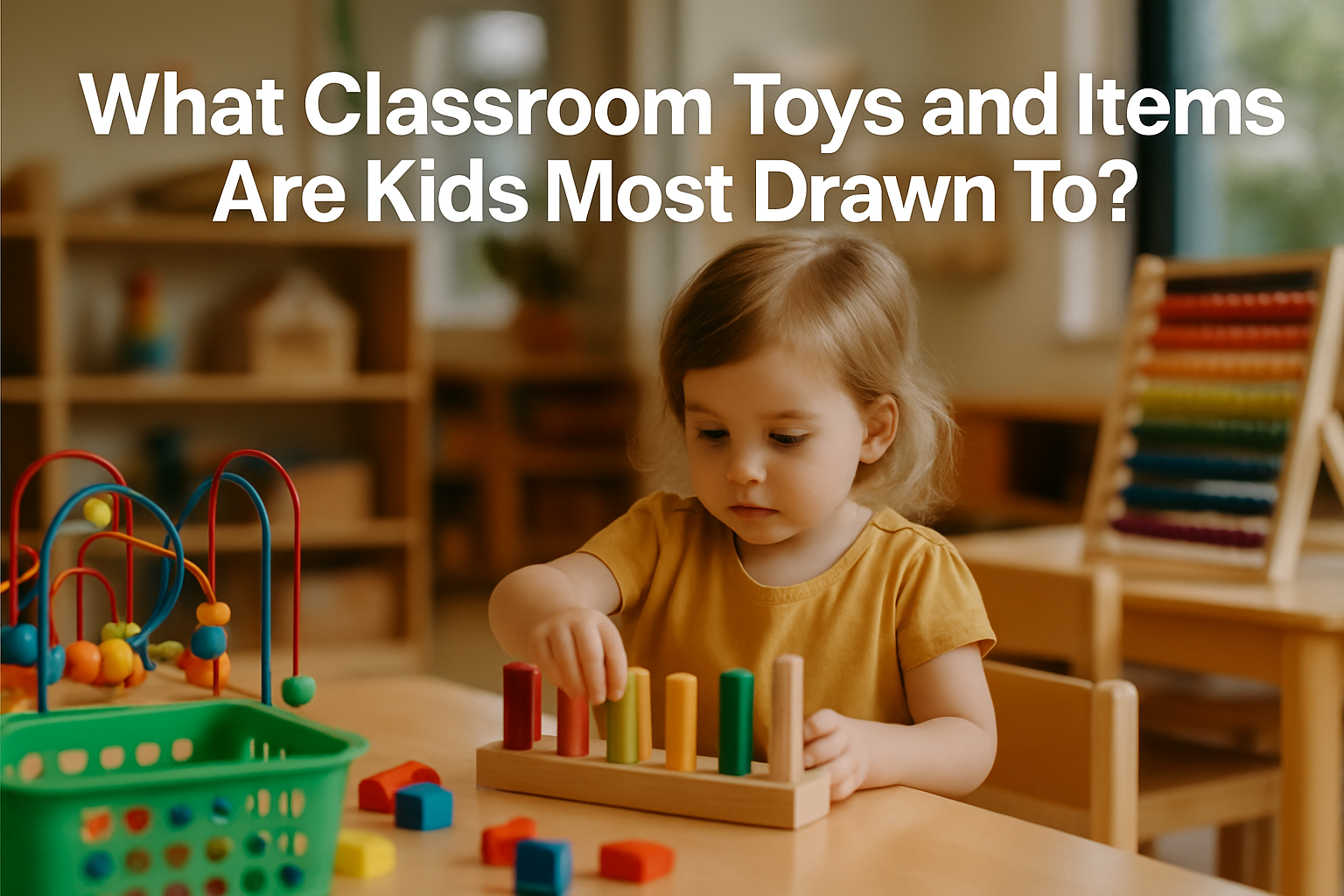

IntroductionThe world of educational toys offers a fascinating arena where pl...