25 Coolest Gifts for Grandchildren in 2026
Introduction to Halloween 2026 ActivitiesThe arrival of Halloween isn't just ...

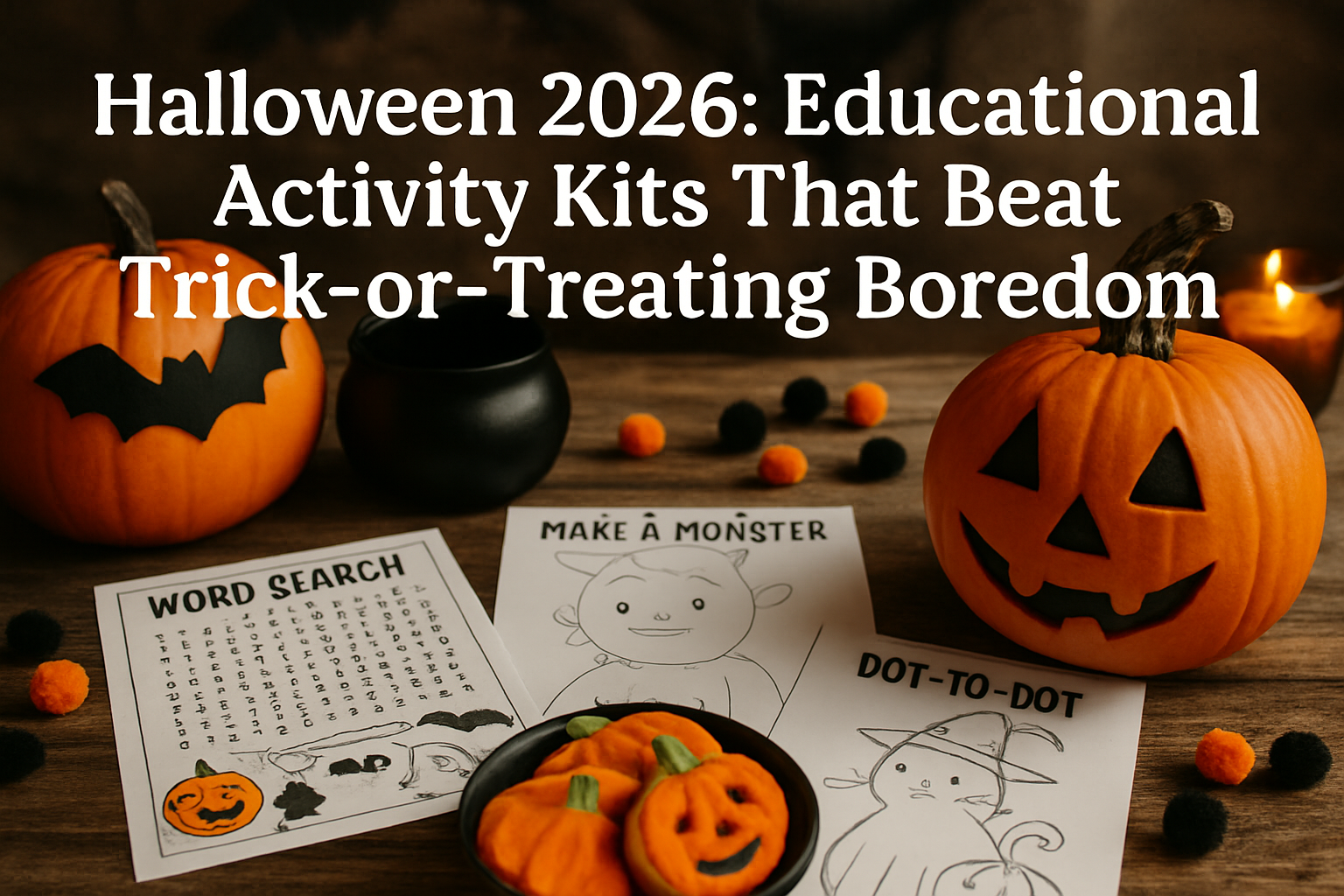

The arrival of Halloween isn't just about costumes and candy; it's an opportunity to engage children's imaginations through educational activities. Halloween 2026 offers a unique chance to blend fun with learning, allowing kids to explore new concepts while enjoying the festivities. This Halloween season, focus on activity kits that stimulate creativity, foster a love for learning, and promote cultural awareness. These kits transform traditional Halloween celebrations into enriching experiences that can benefit children academically and socially.
Encouraging creativity and imagination is paramount during Halloween. This festive period offers boundless opportunities for children to express themselves artistically. Through crafting decorations, designing costumes, or creating spooky stories, kids can harness their imagination in practical ways. When children are encouraged to think outside the box, they develop problem-solving skills and boost their confidence in their creative abilities. By integrating art projects related to Halloween, like designing DIY treats or spooky characters, educators and parents can stimulate children's creative expressions and encourage significant cognitive development.
Fostering a love for learning during Halloween is beneficial for children's continued educational journey. By incorporating learning elements into playful activities, children are more likely to retain information. Halloween-themed learning can cover a wide range of subjects, including science experiments that explore the physics of pumpkin carving or literature activities centered on ghostly tales. When kids engage in these lively, thematic activities, learning becomes an adventure rather than a chore, instilling a sense of curiosity that extends beyond the holiday season.
Incorporating cultural awareness is another important aspect of educational Halloween activities. Halloween is celebrated differently across the globe, and by exploring these cultural variations, children gain insights into diversity and traditions outside their own experiences. Activities like storytelling sessions featuring international folklore can teach kids about Halloween customs in different countries, promoting a more inclusive understanding of celebrations. When children learn about the traditions that accompany Halloween, they foster respect for other cultures and broaden their perspectives.
Enhancing social skills through group activities is essential for children's emotional development. Halloween provides an excellent context for collaborative learning, whether through team art projects, group games, or interactive storytelling. By working together on Halloween activities, children learn to communicate, negotiate, and collaborate, which are crucial social skills. Engaging with peers in a themed setting helps children build friendships and develop confidence in expressing their ideas. Therefore, educational Halloween activities not only build knowledge but also cultivate vital interpersonal skills that benefit children in every area of their lives.
Arts and crafts serve as a vibrant avenue for learning, especially when incorporating seasonal themes like Halloween. Creating Halloween-themed artworks allows students to express their creativity while exploring various artistic techniques. From painting spooky scenes to crafting jack-o'-lanterns, these projects engage students' imaginations and enhance their artistic skills. When students immerse themselves in creating artworks that resonate with a specific theme, they not only enjoy the process but also establish a deeper connection to the festivities surrounding Halloween.
Using recycled materials for projects is another innovative approach that fosters environmental awareness while stimulating creativity. This method promotes sustainability and teaches students about the importance of repurposing items that would otherwise be discarded. By transforming everyday objects into creative masterpieces, learners develop fine motor skills and problem-solving abilities. Teachers can facilitate discussions on recycling and conservation, linking these practical activities with broader educational goals. This hands-on learning experience will surely resonate with students, encouraging them to think critically about the materials they use.
Moreover, engaging students in hands-on learning through arts and crafts activities encourages collaboration and communication. Working on group projects allows students to share ideas, offer feedback, and support one another through the creative process. This collaborative environment fosters a sense of community within the classroom, reinforcing social skills and teamwork. Integrating arts and crafts into the curriculum can make learning more enjoyable and effective, especially during festive occasions like Halloween.
Storytelling and literature are powerful tools for engaging students in the magical world of Halloween. Exploring Halloween-themed books allows educators to ignite students' imaginations and immerse them in narratives filled with adventure, mystery, and moral lessons. This can be particularly effective in fostering a love for reading, as students are likely to be more captivated by stories set against the backdrop of eerie Halloween settings. The familiar themes evoke curiosity and encourage students to delve deeper into the literature.
Encouraging creative storytelling gives students a platform to express their thoughts and emotions. They can create their own Halloween stories, either individually or in small groups, which nurtures their creativity and enhances their communication skills. This imaginative exercise not only helps students articulate their ideas but also promotes critical thinking as they develop plots, characters, and settings. Furthermore, teachers can organize storytelling sessions or competitions that celebrate student creativity while introducing elements of oral tradition.
Incorporating moral lessons through tales adds depth to the stories and stimulates thoughtful discussions among students. By examining the lessons embedded in Halloween-themed narratives, students can relate these stories to real-life situations. This connection creates an opportunity for reflection and personal growth. Teachers can facilitate conversations around themes of bravery, friendship, and the importance of making good choices, ensuring that literature serves as both an entertaining and educational experience.
Science experiments provide an engaging avenue for students to explore the fascinating world of Halloween. Conducting spooky science experiments can spark curiosity and excitement among students while demystifying complex scientific concepts. Halloween-themed experiments, such as creating fizzy potions or simulating ghostly reactions, captivate students' attention and encourage hands-on learning. By using readily available materials, teachers can make science accessible and enjoyable, allowing students to investigate the science behind the strange traditions associated with Halloween.
Understanding the science behind Halloween traditions helps students appreciate the cultural significance of their celebrations. For instance, lessons could explore the chemistry involved in making slime or the biology of decomposing pumpkins. These activities not only provide a fun distraction from traditional learning but also promote inquiry-based education. Students are encouraged to ask questions and seek answers, which fosters a critical thinking mindset that is essential for scientific exploration.
Encouraging critical thinking and inquiry through science experiments aligns with broader educational goals. By prompting students to design their own experiments, hypothesize outcomes, and analyze results, educators facilitate an investigative approach to learning. This method cultivates problem-solving skills and promotes a love for science. As they engage in Halloween-related experiments, students gain valuable insights into the scientific process and learn the importance of observation, analysis, and evidence-based conclusions.
Teaching about the origins of Halloween offers students a rich understanding of the history and cultural significance behind the celebration. Discussing its roots in ancient traditions, such as Samhain, provides context that enhances students' appreciation for contemporary practices. By exploring these historical narratives, students gain insights into how customs evolve over time, fostering a sense of connection to their own cultural heritage. This historical perspective can expand their global awareness and appreciation for diversity in celebrations.
Exploring cultural variations of Halloween celebrations allows students to understand that festivities vary across regions and communities. From the Day of the Dead in Mexico to various harvest festivals around the world, students can investigate how different cultures commemorate life, death, and the seasonal change. Engaging in discussions about these variations broadens their worldview and emphasizes the values of respect and curiosity about other traditions. It also highlights how cultural practices can convey shared human experiences, encouraging empathy and understanding among peers.
Through lessons on Halloween in different countries, students can engage in comparative analysis and critical thinking. They will explore not only the festivities and traditions but also the societal values and historical contexts that accompany these practices. This approach fosters a deeper appreciation for their own traditions while encouraging them to celebrate the richness of global diversity. By emphasizing cultural awareness, educators can empower students to become informed global citizens capable of appreciating the complexities of the world they inhabit.
Planning activities requires a thoughtful approach to ensure they are age-appropriate and engaging for all participants. First and foremost, it’s essential to select activities that align with the interests and developmental stages of the students. Incorporating a variety of options can cater to different preferences, making it likely that each student will find something engaging. For example, younger students might enjoy interactive games or storytelling sessions, while older students may prefer debates or collaborative projects. This targeted selection helps maximize participation and enjoyment.
Once the activities are determined, the next step involves gathering the necessary materials. This can include everything from basic supplies like paper and markers to more specialized equipment dependent on the activities chosen. Adequately preparing these materials ahead of time not only streamlines the execution of the activities but also minimizes potential disruptions that could occur due to last-minute logistics. It is advisable to create a checklist of materials well in advance to ensure nothing is overlooked.
Scheduling is another critical component of the planning process. Establishing a clear timeline allows both organizers and participants to understand when activities will take place. Setting a specific day and time encourages better attendance and commitment. Additionally, creating a balanced schedule that considers breaks can help maintain energy levels and interest throughout the event. A well-planned schedule ultimately contributes to a smoother implementation of planned activities.
Engaging students and families in the planning phase not only enhances participation but also fosters a greater sense of ownership over the activities. Start by encouraging student involvement through brainstorming sessions or committees where they can contribute their ideas and preferences. This can spark excitement and motivation, ensuring students feel their voices are heard and valued within the planning process. By creating an environment where feedback is welcomed, students may suggest innovative ideas that reflect their interests.
Involving parents is equally important. Parents can play a significant role in the execution of these activities, whether through volunteering, providing resources, or helping to promote the events within the community. Reaching out to parents during the planning phase can cultivate a supportive network and encourage them to take an active part in their children’s educational experiences. Informational meetings, newsletters, or digital platforms can be utilized to share details about how family members can contribute, which strengthens the collaborative effort.
Creating a community atmosphere around these activities is vital for long-term success. Efforts to include students and families should focus on building relationships and connections. This could mean hosting a kick-off meeting where everyone can mingle, share their ideas, and feel included. Events that emphasize cooperation can enhance community spirit and result in more enriching and memorable experiences. By reinforcing these relationships, future activities are likely to enjoy greater success and participation.
After the activities take place, gathering feedback from participants becomes essential for assessing the overall effectiveness. Creating simple surveys or feedback forms can provide insights into what participants enjoyed and what could be improved. Open discussions post-activity allow participants to share their experiences and thoughts in a more conversational manner, potentially yielding richer feedback. Clarity about what aspects worked well can encourage organizers to continue those elements in future activities, while identifying weaknesses provides an opportunity for growth.
Assessing the effectiveness of the activities goes beyond participant feedback; it may also involve observing engagement levels during the events. Facilitators should take notes on which activities garnered the most enthusiasm and participation. Evaluating aspects such as interaction, enthusiasm, and content retention can paint a clearer picture of what resonates with the participants. This data is invaluable for planning future events, as it enables organizers to make data-driven decisions.
Finally, using the gathered feedback and assessment results to make improvements is critical for continuous development. It’s important to revisit the planning process with insights gleaned from previous experiences. Adjustments can be made in activity selection, scheduling, or family involvement strategies based on participant feedback. By fostering an iterative planning process, future events can be more aligned with the desires and needs of students and families, leading to an expanding and thriving community of engaged participants.
Halloween presents a unique opportunity to integrate fun with educational experiences. As we recap the key elements discussed, it’s clear that this holiday isn't just about costumes and candy; it can also serve as a valuable teaching tool. From crafting spooky stories to engaging in science experiments that explore the science behind Halloween traditions, educators can harness the thematic energy of this season to spark creativity and curiosity within their students. Incorporating festive activities can enhance learning by using relevant themes that resonate with students, making subjects more relatable and enjoyable.
Implementing Halloween-themed activities in the classroom can significantly transform the learning environment. Teachers are encouraged to design interdisciplinary lessons that bring together art, science, literature, and history. For example, many classrooms can create a literary connection through reading and writing dark tales, while simultaneously introducing students to the historical origins of Halloween and its evolution over time. This cross-curricular approach ensures that students remain engaged while broadening their understanding of not just the holiday, but also various educational concepts. By fostering a playful yet informative atmosphere, educators can promote a love for learning that lasts beyond the classroom.
The positive impact on students' learning experiences is evident when they can connect with the material on a personal level. Engaging activities that reflect their interests during Halloween can lead to increased motivation and participation. Students become active participants in their learning journeys, resulting in improved retention of knowledge and better overall academic performance. By celebrating learning through Halloween, educators can create memorable experiences that inspire creativity and ignite curiosity, proving that education can indeed be entertaining. The blend of fun and education sets the stage for a lifelong passion for learning, making every Halloween an occasion worth celebrating in the classroom.
Halloween is a magical time for children, filled with spookiness, excitement, and creativity. It is a festive occasion that allows kids to dress up and engage in playful activities that spark their imaginations and bring communities together. However, traditional Halloween festivities, such as trick-or-treating and scary parties, may not always suit every child or family. This has led to a growing interest in creative alternatives that still capture the essence of Halloween but offer unique and inclusive experiences.
Introducing alternative activities for Halloween can cultivate an environment where all children can participate, celebrate, and have fun in their ways. These alternatives can also provide opportunities for parents and kids to connect more meaningfully while exploring creativity. From inventive costume ideas to hands-on crafts and games designed for both indoor and outdoor settings, there is a world of possibility beyond the typical traditions. Embracing these alternatives can also help accommodate various dietary considerations, safety concerns, and preferences that families may have regarding Halloween festivities.
Adopting creative alternatives to traditional Halloween activities can shift the focus from merely collecting candy to emphasizing creativity, community bonding, and imaginative play. As we explore popular alternatives, keep in mind the importance of fostering an inclusive atmosphere where every child feels like an important participant in this festive celebration.
While costumes are a hallmark of Halloween, the way children don their costumes can be transformed into a delightful activity. Instead of a race to buy the most trending outfit, families can engage in DIY costume-making sessions. Utilizing household items, old clothing, and craft materials can cultivate originality and resourcefulness. Children can express their unique personalities by designing costumes that reflect their interests or favorite characters, such as superheroes, animals, or imaginative creatures.
Moreover, hosting a costume swap can encourage community sharing and creativity. Kids can exchange costumes with friends, providing different options without the need for purchases. This not only promotes sustainability but also allows children to wear something different and fosters friendships through mutual engagement. Furthermore, by including themed costume contests, families can add a layer of friendly competition, ensuring everyone feels included and celebrated for their creative efforts.
Crafting can significantly enhance the Halloween experience. Halloween-themed crafts can range from simple pumpkin decorating to more intricate projects like making spooky decorations or themed greeting cards. Setting up a craft day allows families to come together, share ideas, and create fun memorabilia.
Ideas for crafts include designing your own trick-or-treat bags, creating personalized decorations for the house, or crafting treats that are visually appealing. For example, making ghostly lanterns from paper bags or transforming jars into spooky candle holders can instill creativity and resourcefulness in children. Additionally, incorporating sensory activities like making slime or spooky-themed play dough can engage younger children in a delightful manner.
Organizing craft parties, where families can come together to create projects, can foster a sense of community. Kids can showcase their creations, share techniques, and learn from one another. This not only enhances their skill sets but also solidifies bonds of friendship, making the event more memorable.
Games serve as a fantastic way to embody the fun and spirit of Halloween. To keep up the excitement, families can organize scavenger hunts with Halloween-themed clues and challenges set out in their backyard or nearby parks. This encourages teamwork, problem-solving, and exploration. Such interactive games can be adjusted to various age groups, ensuring everyone can participate, fostering friendships regardless of skill level.
For indoor fun, traditional games can be creatively altered to fit the Halloween theme, like 'Musical Pumpkins' or 'Monster Freeze Dance.' These activities allow children to engage physically while indulging in the festive spirit. Moreover, hosting a Halloween-themed trivia night or storytelling session can also unite families, igniting playful discussions around ghost stories or Halloween legends.
By diverse game options, children can celebrate Halloween actively, fostering not just memories but also strengthening social bonds. As families embrace these alternatives, the essence of Halloween can thrive, ensuring that every child has an opportunity to enjoy the festivities in their own unique way.
Celebrating Halloween at home can be a delightful experience, especially through a family-friendly movie night. This activity is ideal for creating a cozy atmosphere where everyone can enjoy classic Halloween films. For younger audiences, animated options like ghostly adventures and whimsical tales can provide just the right amount of thrill without being too scary. As children grow older, consider introducing slightly more mature, yet still family-friendly films that feature light horror elements or comedic takes on spooky themes. Curating a list that caters to various age groups ensures that everyone can enjoy the cinematic experience, making it a memorable bonding time.
In addition to selecting the perfect movie lineup, themed snacks and decorations can enhance the viewing experience. Picture a dimly lit living room adorned with strings of lights and Halloween decorations that set a spooky mood. Float some ghost-shaped balloons or hang paper bats from the ceiling to create an enchanting atmosphere. In terms of snacks, think creatively! Classic popcorn can be elevated with the addition of edible 'blood' (red candy coating) or transformed into 'witch’s brew' by mixing in assorted candies. Themed treats stimulate taste buds and the imagination, making movie night an immersive celebration.
Furthermore, to boost engagement during the movie, consider organizing intermissions for themed trivia games or quick discussions about favorite parts. This interactive approach keeps the family involved and makes the experience much more than just watching a movie. Encourage everyone to dress up in their favorite Halloween costumes, adding an extra layer of fun and excitement. By the end of the night, all family members will have not just enjoyed films but also created treasured memories, fostering an annual tradition of celebration.
Baking together as a family during Halloween brings an element of creativity and connections. Halloween-themed baking sessions are an excellent way for families to bond in the kitchen while crafting delicious treats. Cookies shaped like pumpkins and ghosts can be a fun starting point, allowing children to express their artistic flair with colorful icing. Cupcake decorating, too, can become an adventure, where the youngest family members can sprinkle toppings that mimic the eerie aesthetics of Halloween. These seasonal baking ideas not only provide tasty snacks but also cultivate a sense of achievement as families witness their creations come to life.
Cooking during these baking sessions transforms into a learning experience for children, making it educational yet enjoyable. Engaging kids in measuring ingredients, mixing, and even understanding the science behind baking can spark their interest in culinary arts. It teaches them fundamental skills, from following instructions to improving their math skills through measuring. Moreover, working as a team to create a final product fosters cooperation and communication, turning simple cookie decorating into a delightful group effort rather than a mundane task.
As the baking session wraps up, consider hosting a mini taste test where family members can vote on their favorite treats. Not only does this make the experience more interactive, but it also encourages friendly competition and compliments creativity. The sense of accomplishment that stems from successfully baking Halloween-themed treats is unparalleled, and families can feel proud of their collective efforts. Ultimately, these themed baking sessions can become cherished traditions that families look forward to year after year, merging fun, learning, and festive spirit into one delightful package.
Local community events during Halloween offer an excellent opportunity for families to engage with their neighbors and partake in festive activities. Encouraging participation in local Halloween happenings such as parades, costume contests, or pumpkin carving gatherings can foster a strong sense of belonging among community members. Children gain invaluable social skills by interacting with peers in a fun and safe environment. Such events can create lasting memories and promote teamwork, with activities designed to bring families closer together through shared creative experiences.
Moreover, community engagement has significant psychological benefits for children. Being involved in local celebrations can enhance their confidence as they showcase their costumes or contribute to group activities. Additionally, these gatherings provide a rich platform for children to learn about cultural traditions surrounding Halloween, deepening their understanding and appreciation of communal celebrations. The joy and excitement of these events also help to alleviate anxiety around the holiday season, allowing children to build cherished memories in a supportive atmosphere.
Transitioning to the digital realm, virtual celebrations have become a phenomenal alternative for families, especially when in-person gatherings are limited. Ideas for virtual Halloween parties could include themed video calls where participants dress up and share spooky stories or participate in online games. A virtual scavenger hunt can also engage children and families alike, allowing them to work together from the comfort of their homes. Such activities offer a unique way to bond with friends and family who may be far away while still embracing the Halloween spirit.
Technology plays a significant role in maintaining social interactions during holidays, especially in a time when physical distancing may be necessary. Virtual gatherings provide an inclusive setting where participants can celebrate together regardless of location, overcoming barriers of distance and accessibility. These online platforms allow families to engage in activities such as crafting pumpkins digitally or sharing favorite recipes for Halloween treats, ensuring that the essence of the holiday is preserved. By facilitating meaningful connections, virtual celebrations can enrich the holiday experience, allowing families to adapt and create joyful moments together.
In summary, community involvement and virtual activities offer significant opportunities to celebrate Halloween meaningfully. Engaging in local events connects children to their neighborhoods and builds social skills while virtual celebrations embrace technology's potential to enhance interactions. Together, these activities help ensure that the joy of Halloween can be felt by all, fostering connections and creating lasting traditions, whether physically present or virtually celebrated.
Halloween activity kits have become essential as parents seek engaging ways to celebrate the holiday while fostering creativity and fun. These kits not only provide hands-on activities but also inspire imagination in children. In 2026, trends reflect a shift towards more inclusive and community-driven activities, allowing kids to express themselves artistically while engaging with the spirit of the season. Enhancing creativity is just the beginning; these kits also address safety concerns by incorporating non-toxic materials, ensuring that playtime is both enjoyable and safe.
As we look at the trends in Halloween activities for 2026, we see a blend of traditional crafts with modern twists. Children are increasingly drawn to DIY projects that encourage personal expression through crafting. The emphasis on sustainability means that many kits are now featuring recyclable materials, instilling environmental awareness in kids from a young age. Furthermore, interactive components in these kits are designed to promote teamwork, allowing children to unite with friends or family to complete projects, thus enriching their Halloween experience through collaboration and shared creativity.
When it comes to safety considerations, manufacturers are prioritizing materials and designs that minimize risks. This trend is crucial for peace of mind among parents, who are keen on providing a safe play environment. Many kits now include clear guidelines and age-appropriate recommendations, ensuring that activities are suitable for various developmental stages. Moreover, as communities emphasize safety during trick-or-treating, these kits can serve as wonderful substitutes for on-the-go celebrations, keeping the Halloween spirit alive at home.
Halloween activity kits offer a myriad of creative features, especially focusing on arts and crafts alongside DIY projects. Whether it’s creating spooky decorations or engaging in themed art activities, these projects inspire children to explore their artistic potential. In 2026, kits are increasingly encouraging children to innovate by using common household items creatively, turning everyday objects into tools for crafts. This imaginative approach not only makes crafting accessible but also lets kids personalize their Halloween decorations, ensuring that each creation is unique to them.
In addition to fostering creativity, many kits incorporate educational benefits, particularly through STEM-focused activities. Parents can find kits that challenge children with fun problem-solving scenarios and experiments tied to Halloween themes, enhancing both learning and play. These educational components encourage children to think critically as they engage with science and technology aspects, blending fun with valuable learning opportunities. This dual focus on education and creativity makes Halloween a time for kids to explore and learn, all while celebrating a beloved holiday.
Furthermore, the interactive components of these kits foster essential social skills through group activities, enhancing family bonding. Families can come together to work on projects, whether it’s assembling costumes or making spooky treats, creating memories that last beyond the holiday itself. This aspect underscores the importance of communication and cooperation as children learn to work with others. In 2026, Halloween activity kits are more than just activities; they are opportunities for connection, learning, and joy, making Halloween a time of festivity and togetherness.
Creating educational Halloween kits involves assembling a variety of essential materials and thematic ideas that can engage students and foster learning during the Halloween season. To begin with, the kit should include items such as craft supplies, worksheets, and instructional guides. Craft supplies might consist of colored paper, scissors, glue, markers, and stickers that allow children to express their creativity while completing educational tasks. Including worksheets that offer various activities, like puzzles or science experiments related to Halloween themes, promotes cognitive skills and enhances the learning experience.
Furthermore, thematic ideas can elevate the educational impact of these kits. Consider incorporating topics like 'spooky science' where kits can include simple experiments explaining concepts like chemical reactions, such as mixing vinegar and baking soda to create a bubbling 'cauldron.' Another engaging theme could be 'history of Halloween,' where kids can learn about the origins of traditions and folklore associated with the holiday. This theme could include storytelling guides or printable materials that detail the evolution of Halloween. By combining these essential materials with imaginative themes, the kits become not only fun but also a resource for meaningful learning.
Lastly, including interactive components can significantly boost engagement. For instance, adding QR codes that link to educational videos, games, or interactive quizzes related to the kit's theme allows children to experience dynamic learning opportunities. This multimedia approach caters to various learning styles and keeps students motivated. By integrating essential materials, thematic ideas, and interactive components, educational Halloween kits can transform a festive occasion into an insightful learning adventure.
Once the components of the educational Halloween kits have been identified, the next step is to create the kits themselves through a systematic approach. Start by outlining the objectives of the kits: what key learning outcomes should they achieve? Create a checklist based on these objectives which includes all items and activities required for the kits. This method ensures that each kit is cohesive and focused on learning while remaining enjoyable.
The assembly process can be both structured and enjoyable. When creating the kits, group similar items together and prepare printed materials in batches. Consider assembling smaller kits for individual students along with larger kits for group activities to accommodate different classroom settings. This variation allows educators to choose which option best fits their teaching style and classroom dynamics. Additionally, involving students in the creation process can boost their excitement about the kits, making them more eager to engage with the materials.
Safety considerations are paramount during this creation process. Assess all materials included in the kits to ensure they are age-appropriate and safe for use. Avoid products that contain small parts for younger children and choose materials that are non-toxic and easy to handle. Provide clear instructions for any potential activities, highlighting crucial safety tips. By focusing on both engagement and safety, you can ensure that the educational Halloween kits are both enjoyable and secure for all participants.
To effectively distribute the educational Halloween kits, it is essential to target schools and community centers that would be most interested in incorporating this form of engagement into their programs. Establishing partnerships with these institutions can help ensure that the kits reach a greater audience. Consider hosting workshops or information sessions at local schools, where educators can preview the kits and understand their benefits. This outreach effort also allows for feedback that can refine the kits ahead of distribution.
In addition to partnerships, devising a clear marketing strategy can significantly enhance visibility and interest in the kits. Use social media channels and community bulletin boards to promote the kits, emphasizing the educational value they provide during the Halloween season. Create engaging visuals and share testimonials from educators or parents who highlight the kits' successful implementation. Partnerships with local organizations or libraries can also serve as excellent platforms to reach a broader community audience.
Furthermore, consider organizing distribution events where families can pick up the kits, learn more about their contents, and participate in related activities. Such events not only increase excitement around the kits but also foster a sense of community as families share the joy of learning together. By developing targeted distribution strategies, you can effectively harness the importance of educational Halloween kits, leading to initiatives that celebrate education and community engagement during the holiday season.
Halloween is rich with opportunities for creative learning. Combining art projects with history lessons can deepen students' understanding of the holiday's origins. For instance, crafting decorations inspired by ancient Celtic traditions can lead to engaging discussions about Samhain and its significance. This hands-on approach not only makes learning enjoyable but also allows students to explore historical context through creativity.
Costume design presents a unique chance to delve into cultural significance. Students can research different ethnic costumes and their meanings, fostering an appreciation for diversity. By encouraging groups to create costumes representing various cultures, educators can facilitate discussions around respect and understanding. Through these projects, students learn that Halloween is not solely about trick-or-treating, but also a moment to explore and honor various traditions.
Moreover, engaging students in science projects related to Halloween traditions can add another layer of excitement and education. For instance, exploring the biology of pumpkins can lead to lessons on plant growth, while experiments involving the chemical reactions in DIY slime or candy making can integrate scientific concepts with festive activities. These projects not only spark curiosity but also enhance critical thinking skills, as students hypothesize and conduct experiments based on their findings.
Community involvement plays a vital role in enhancing the educational aspects of Halloween projects. By encouraging local businesses to sponsor these initiatives, schools can broaden their resources and support. Collaborating with local establishments can provide materials, expertise, or a platform for showcasing student work. This partnership not only enriches the educational experience but also helps students realize the value of community engagement.
Organizing community workshops is another effective strategy to share project ideas. These gatherings can invite parents, educators, and local artists to come together, exchange ideas, and collaborate on Halloween-themed projects. By involving the community, students get a chance to see how art and creativity can bring people together, reinforcing the community's role in education.
Furthermore, fostering partnerships with local artists can lead to unique workshops tailored to specific skills, such as painting, crafting, or performance. Artists can guide students through interactive sessions that blend creativity with learning. Such partnerships create a platform for students to connect with professionals, enhancing their appreciation for the arts while reinforcing the concept that education varies beyond the classroom.
In summary, incorporating educational elements into Halloween projects not only makes learning enjoyable but also enriches local communities. Through partnerships, creative projects, and a focus on cultural significance, students can gain a well-rounded understanding of the holiday while developing essential skills.
Halloween is the perfect occasion to blend fun with learning through creative DIY activities. By integrating education into festive themes, teachers and parents can create memorable experiences that foster curiosity and knowledge exploration. From science experiments to art projects, there are countless opportunities for engaging students in active, hands-on learning.
Halloween-themed science experiments captivate young learners and encourage them to explore scientific concepts. One popular activity involves creating homemade slime. By combining common household items like glue, baking soda, and saline solution, children can witness chemical reactions in action. Adding glow-in-the-dark elements or food coloring enhances the festive spirit, making the activity more enjoyable.
Another intriguing science project is the classic erupting pumpkin volcano. Using a jack-o'-lantern carved with an opening, we can fill it with baking soda and mix it with vinegar to produce an exciting eruption, resembling a volcanic explosion. This project not only teaches kids about chemical reactions but also allows them to discuss concepts like gas production and changes in state.
Additionally, conducting ghostly density experiments with various liquids provides insight into the principles of density and buoyancy. Using items like corn syrup and water, children can layer liquids and see how objects float or sink through them. This engaging experiment fosters critical thinking as children hypothesize why certain materials behave a specific way.
Art and craft activities help children develop fine motor skills while allowing their creativity to shine. Halloween provides a perfect backdrop for various crafts. Decorating pumpkins, whether through painting or carving, can inspire artistic expression. Different techniques can yield unique results, sparking discussions about design principles and color theory.
Creating spooky decorations from recycled materials is another engaging activity. By utilizing items such as old newspapers, cardboard, or plastic bottles, children can craft ghosts, bats, and other Halloween motifs. This project not only promotes creativity but also encourages environmental awareness through recycling efforts. Families can showcase their creations around the home or school, creating a festive atmosphere.
Moreover, storytelling can be woven into art projects. Children can illustrate their favorite Halloween tales or create original spooky stories accompanied by drawings. This fusion of art and literature cultivates comprehension and narrative skills. As they express their ideas visually, learners delve deeper into theme exploration while enhancing their artistic capabilities.
Games are a powerful tool for making learning fun and accessible. Halloween-themed trivia games can engage students while reinforcing knowledge across various subjects. Players can answer questions related to history, science, or literature, all centered on Halloween elements. This interactive approach can heighten interest and teamwork among peers as they collaborate to answer questions correctly.
Moreover, scavenger hunts tailored to educational themes provide physical activity and critical thinking challenges. Teachers and parents can create clues that incorporate math problems or vocabulary exercises leading to hidden Halloween treats or educational rewards. This invigorating format keeps kids motivated and engaged while developing problem-solving skills.
Incorporating challenges into Halloween activities can further enhance students' abilities to think critically and creatively. One activity involves a spooky escape room challenge, where students must work together to solve puzzles and riddles inspired by Halloween lore. By tackling tasks under time constraints, children learn cooperation, strategic thinking, and perseverance.
Another idea is to host a haunted house design competition, where groups of students work together to conceptualize and build themed exhibits, focusing on elements like storytelling and scientific principles. Each team can utilize critical thinking to create a compelling experience for their classmates, deepening understanding of storytelling and event planning.
Engaging young learners through creative activities centered around Halloween not only promotes educational concepts but also creates lasting memories. By merging fun and education, these DIY projects and challenges inspire students to explore their creativity and critical thinking while embracing the whimsy of the season.
Halloween is the perfect time to let your imagination run wild. Whether you are a DIY enthusiast or someone looking to explore new creative avenues, the holiday invites everyone to make something special. For 2026, focus on two standout categories: DIY decorations and themed costume design. Each of these areas allows you to express your personality and impress your friends and family with your imaginative flair.
Creating spooky decorations using recyclable materials can be a fun and eco-friendly project. Rather than buying new items, gather materials from home—think old newspapers, plastic bottles, or cardboard. With a little creativity, you can transform these items into ghostly figures, creepy critters, and other eerie decorations that will set the mood for Halloween night. For instance, paper mâché pumpkin lanterns made from old newspapers not only reduce waste but also provide an engaging crafting experience for families.
Incorporating LED lights into your decorations offers a festive touch while enhancing the spooky atmosphere. These lights can be easily wrapped around crafted figures or used inside transparent containers to create glowing effects. Even the simplest decorations can become a visual spectacle at night when illuminated. Consider creating a haunted pathway with lit-up jars or sinister silhouettes that come to life as darkness falls. This combination of DIY spirit and technological flair can captivate your guests.
To foster a sense of community, consider hosting a contest for the most creative decoration. Invite your neighbors, friends, or family members to take part, allowing everyone to showcase their creations. Such contests can result in a variety of ideas, further enhancing the community spirit of the holiday. By collaborating and sharing tips, participants can learn from each other, inspiring even greater creativity for future Halloween festivities. Additionally, this friendly competition can spark enthusiasm and excitement that can be felt throughout the neighborhood.
Themed costume design can take your Halloween celebration to the next level. Encouraging group themes based on popular movies invites participants to come together with cohesive and imaginative costumes that not only showcase individual creativity but also celebrate shared interests. Group costumes can include everything from famous movie ensembles to whimsical characters from beloved stories, allowing for an immersive experience that invokes nostalgia and excitement.
Providing resources for DIY costume creation can be beneficial for enthusiasts of all ages. Sharing tutorials, crafting techniques, and sewing instructions will empower both novice and experienced creators alike. Organizing workshops to help those who might be intimidated by the DIY process can create a supportive environment that fosters learning. In these sessions, participants can brainstorm ideas, share materials, and assist each other as they bring their costume visions to life.
Organizing a costume parade to showcase creativity is an exciting way to conclude the festivities. Participants can strut their stuff, giving everyone a chance to admire the hard work that went into each costume. This parade can not only be a highlight of the Halloween festivities but also a way for the community to come together, celebrate creativity, and even crown the most imaginative outfits. Such events create lasting memories and ensure that Halloween becomes more than just a day of fright—it transforms into a celebration of art, collaboration, and joyful expression.
Incorporating Halloween into the Classroom can be a fantastic way to bring excitement to learning while engaging students with thematic activities. The spooky season presents a unique opportunity to integrate fun and educational experiences that can enhance various subjects. By weaving Halloween elements into the curriculum, educators can spark creativity, encourage critical thinking, and foster a love for learning among their students.
Halloween serves as an excellent backdrop for exploring literature and storytelling. Teachers can curate a selection of age-appropriate ghost stories, spooky poems, or even folklore from different cultures, which allows students to explore narrative structures and thematic elements. Engaging students in reading aloud sessions or small group discussions can ignite their imaginations, prompting them to visualize scenes and characters vividly.
In addition to reading, storytelling can be made interactive. Teachers might initiate storytelling circles, where students take turns adding to a collective Halloween tale, encouraging creativity and collaboration. This activity not only helps in language development but also enhances public speaking skills as students share their contributions with their peers. Teachers can also introduce creative writing prompts related to Halloween themes, like 'Write about your encounter with a friendly ghost,' which can stimulate students' creativity while reinforcing their writing skills.
Furthermore, incorporating Halloween-themed literature into classroom activities can enhance emotional intelligence. Asking students to reflect on characters' motivations or emotions during spooky scenarios can enrich their understanding of complex feelings, such as fear or bravery, thus promoting empathy. This holistic approach to literature during Halloween ensures that students are not only entertained but also educated in essential skills while celebrating the season.
Math can take on a festive twist with Halloween-themed data activities that make learning numbers and statistics engaging. One effective approach is to have students survey their classmates about their favorite Halloween candies or costumes. This activity introduces them to concepts like data collection, analysis, and presentation. Students can then create visual representations of their findings, such as bar graphs or pie charts, which are fundamental skills in numeracy.
Another fun math activity involves estimating the number of candies in a large jar. This fosters critical thinking and numerical estimation skills, as students predict and then count the actual amount. Teachers can guide discussions on strategies for estimation, teaching students the importance of logical reasoning in problem-solving. Furthermore, incorporating basic probabilities can add an extra layer of fun; for instance, teachers might ask, 'What is the probability of choosing a candy corn from a mix of different Halloween treats?'
Incorporating Halloween into math instruction not only makes the subject more relatable but also demonstrates its practical application in real-life scenarios. By highlighting the relevance of math in fun activities, educators can help students appreciate the subject beyond traditional worksheets, thus cultivating a more positive attitude towards learning mathematics. Overall, Halloween provides a perfect platform for creative and interactive learning experiences that resonate with students, making education both enjoyable and impactful.
Halloween presents a unique opportunity to incorporate holiday-themed education into children's learning experiences. By engaging students with literacy activities related to Halloween, educators can cultivate a love for reading and storytelling. For instance, teachers can introduce classic ghost stories or folk tales surrounding Halloween, allowing children to explore themes like bravery, creativity, and the supernatural. This approach not only improves children's reading skills but also enhances their comprehension abilities as they analyze characters and themes in these narratives. Engaging students through storytelling fosters a lasting interest in literature, making reading feel like an exciting adventure rather than a chore.
In addition to literacy, STEM learning flourishes during Halloween as educators capitalize on the intrigue of the season. Children can engage with science through experiments, such as exploring the chemical reactions involved in making slime or creating homemade volcanoes that erupt with orange and green 'lava.' These hands-on activities encourage inquiry and critical thinking, crucial components of scientific learning. Math can be integrated into Halloween-themed games where children count candies or calculate the probability of choosing a specific treat from a mixed bag. Such lessons make abstract concepts tangible and fun, transforming Halloween from mere celebration into a platform for enriching children's understanding of the world around them.
Arts and crafts during Halloween further enhance children's developmental skills. Crafting pumpkins or creating spooky decorations allows children to express their creativity while honing fine motor skills. Projects like these also encourage collaboration when done in groups, helping children develop social skills as they share ideas and materials. Additionally, art activities can be tied to lessons on colors, shapes, and patterns, reinforcing the fundamental concepts they learn in school. By incorporating arts and crafts into Halloween celebrations, educators provide an engaging, multi-disciplinary approach that supports the holistic development of children.
The impact of Halloween-themed education is profound, making learning enjoyable and memorable for young children. Future research could delve into specific learning outcomes associated with Halloween education to systematically assess its effectiveness. By comparing children exposed to Halloween-themed curricula with those in traditional learning settings, researchers could quantify improvements in literacy, STEM skills, and social development. Such studies will provide valuable insights into how niche topics can enhance educational engagement and retention, potentially leading to broader applications beyond the Halloween season.
Moreover, recommendations for future research include exploring the importance of cultural perceptions of Halloween in education. Understanding how children from diverse backgrounds engage with Halloween-themed activities could inform more inclusive educational practices. Creating culturally sensitive curricula may enhance participation and enjoyment among all students, acknowledging that not every family celebrates Halloween in the same way. This will help educators cater to varied experiences while still fostering an enjoyable learning environment that promotes creativity and critical thinking.
Finally, educators should consider incorporating feedback from both students and parents when developing Halloween-themed educational activities. Engaging families can provide insights into what excites children and what they are looking to learn. Involving parents in discussions or collaborative projects not only strengthens community ties but also helps to tailor educational themes that resonate more deeply with children's interests and backgrounds. By pursuing these recommendations, educational institutions can maximize the developmental benefits that arise from integrating Halloween themes into their curricula.
Reflecting on the learning activities conducted, it is evident that feedback plays a vital role in understanding their effectiveness. Many participants expressed positive sentiments regarding the interdisciplinary approach used during the Halloween-themed activities. These creative methods not only fostered an engaging environment but also encouraged collaboration among students. Students particularly enjoyed activities that integrated storytelling and art, as they found these elements to be both enjoyable and educational. This suggests that when activities resonate with students' interests and creativity, they tend to lead to higher levels of engagement and learning outcomes.
However, there are always areas for improvement and innovation to consider. Some feedback highlighted the need for clearer instructions and better resource allocation during activities. Participants noted instances where they felt rushed or lacked sufficient materials, which affected their overall experience. Sharing best practices among educators can facilitate the development of more structured and resourceful activity plans. Additionally, incorporating diverse learning styles by offering a variety of options could enhance participation and interest. For instance, including more sensory activities could engage students who excel in hands-on learning, thereby broadening the appeal of future projects.
The impact of Halloween-themed activities on student engagement and learning outcomes cannot be understated. By harnessing the excitement tied to such festive occasions, educators have the opportunity to create memorable learning experiences. Engaging themes can spark curiosity, leading to deeper investigation and exploration of topics at hand. This can encourage students to approach learning in a playful yet profound way, where they can connect not just with the subject matter but also with their peers. As we look to the future, there is potential to embrace seasonal themes throughout the academic year, maintaining the enthusiasm while enriching the learning environment across various subjects.
Halloween is not just about costumes and candy; it embodies a season of togetherness, creativity, and enjoyment for families. Traditions become the framework through which families can create lasting memories. The importance of adhering to family traditions lies in their ability to foster a sense of belonging and continuity among family members. Engaging in time-honored practices not only elevates the holiday spirit but strengthens the bonds that unite families. These experiences remind everyone of their shared history, creating a tapestry of joyful recollections that can be revisited with fondness each year.
Popular Halloween traditions can help set the tone for a festive atmosphere while also promoting family interaction. Carving pumpkins is a widely cherished activity, allowing each member to express their creativity. Families can work together to sculpt their pumpkins, creating a display that reflects their unique personalities. Additionally, participating in neighborhood trick-or-treating or hosting a Halloween-themed movie night can create a shared experience that families look forward to each year. The key is to choose traditions that resonate with everyone, ensuring that all members are engaged and feel valued.
Incorporating these traditions into your family's Halloween festivities can provide a reliable structure that everyone anticipates. From storytelling sessions that share spooky tales to decorating the home together, the focus should be on enjoying each other's company. As families find moments to unwind and laugh, they inadvertently reinforce the ties that bind them. As Halloween approaches, consider exploring ways to engage your family in joyous celebrations rooted in tradition.
One of the most enjoyable ways to bond as a family during Halloween is through creative DIY activities. Arts and crafts projects are a fantastic avenue for allowing every family member to express their creativity. From making spooky decorations to designing custom costumes, these projects can help cultivate a sense of accomplishment. Consider crafting ghostly garlands, painting haunted house scenes on windows, or designing themed greeting cards. These projects not only promote artistic expression but also offer a chance for collaboration, as families can combine their ideas to create something wonderful together.
Baking and cooking can also be central to family bonding during Halloween. The act of preparing festive treats can fill the home with wonderful aromas, creating an inviting atmosphere. Families can gather in the kitchen to craft treats ranging from monstrous cupcakes to ghost-shaped cookies. Not only does this provide an opportunity for teamwork, but it also allows everyone to contribute, whether through mixing ingredients, decorating, or packaging treats for friends and neighbors. The joy of sharing these creations reinforces family ties and provides an avenue for communication as members discuss recipes and favorite flavors.
Furthermore, engaging in DIY activities strengthens problem-solving skills and encourages teamwork. When facing the challenges of a craft project or a baking recipe, families must communicate and collaborate effectively. This level of interaction paves the way for open discussions and instills a supportive environment where all ideas are valued. As each family member contributes, they'll find that these experiences not only create physical items but also foster deeper connections. The creativity expressed in these activities will undoubtedly leave a lasting impression long after Halloween has passed.
Reflecting on family activities during Halloween reveals their deep-rooted significance in enhancing relationships. Engaging in shared experiences allows families to create a joint narrative that binds them, characterized by laughter, creativity, and collaboration. Each Halloween activity provides family members with a platform to share their thoughts, ideas, and aspirations, fostering an environment of openness and trust.
Encouraging open communication during these activities is essential. As families engage in crafting, baking, or participating in traditions, genuine conversations can flow naturally. These moments serve as a foundation for deeper connections and vulnerability, reinforcing the idea that families should be safe spaces. When children and parents exchange ideas and discuss memories, it not only enriches the activity at hand but also strengthens their relationship for years to come.
Ultimately, it's in these shared experiences that family bonds flourish. As families laugh together, face challenges together, and celebrate their unique traditions, they'll find themselves growing closer. Every Halloween presents fresh opportunities for these interactions, allowing families to cultivate a lasting understanding and love for one another. Embracing these moments ensures that Halloween becomes not just a celebration of spookiness but a cherished occasion for family bonding and togetherness.



Introduction to Halloween 2026 ActivitiesThe arrival of Halloween isn't just ...

Introduction to Halloween 2026 ActivitiesThe arrival of Halloween isn't just ...