

What Are the Top Toys 4-Year-Olds Love Most?
Introduction Finding toys that can keep children occupied for hours is impor...

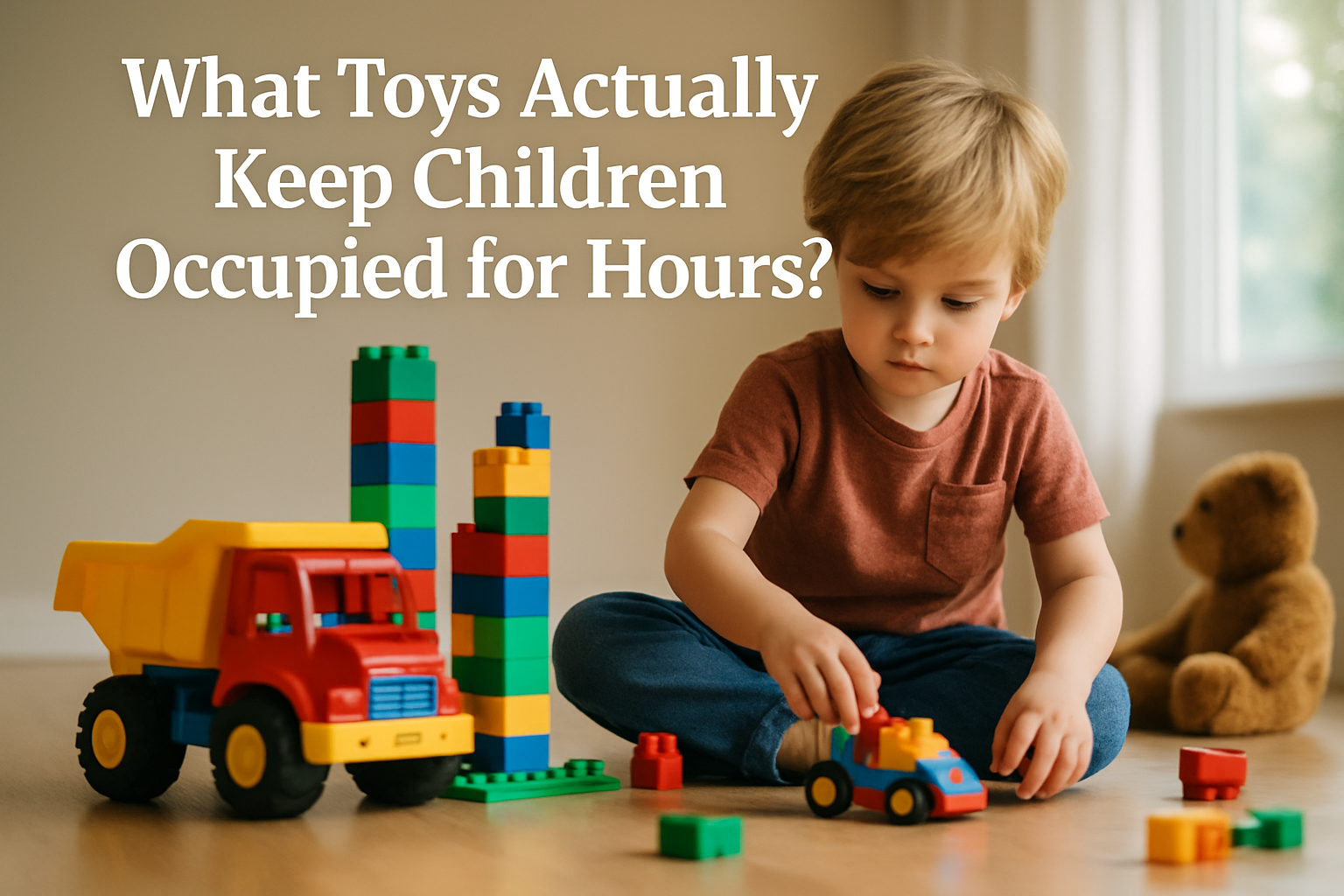

Finding toys that can keep children occupied for hours is important in today's fast-paced environment. Parents seek engaging options that not only entertain their kids but also contribute positively to their development. The right toys can significantly enhance a child's creativity and independent thinking, providing a perfect balance between fun and learning. Engaging toys stimulate a child’s curiosity, allowing them to experiment, create, and immerse themselves in imaginative play, which is essential for overall well-being.
Moreover, engaging toys serve a critical role in child development. They promote fine motor skills, enhance problem-solving abilities, and encourage social interaction when children play together. Toys that capture a child's attention can lead to longer play sessions, fostering deeper engagement in activities that inspire exploration and innovation. This means children are not just having fun; they are investing their time in growth and development. The challenge lies in identifying which toys truly offer sustained engagement and fulfillment.
The aim of this research is to explore what types of toys will be most effective in keeping children occupied through 2026 and beyond. It focuses on how various toys can cater to diverse needs in play, nurturing creativity, critical thinking, and social-emotional skills in children. The objective is rooted in understanding contemporary trends, preferences, and developmental needs as they evolve in the coming years.
The methodology involved comprehensive data collection from various sources, including expert insights and parent feedback on toys that successfully hold children’s attention for extended periods. This research synthesizes qualitative and quantitative data to analyze the characteristics of toys that promote sustained engagement, leading to a better understanding of the overall impact toys have on child development. By reviewing both current practices and anticipated future demands, the findings aim to guide parents and educators in making informed decisions regarding the selection of toys for their children.
STEM toys play an essential role in cognitive development for children by integrating science, technology, engineering, and mathematics into engaging and interactive experiences. Through these toys, children encounter real-world problems and explore solutions, enhancing their critical thinking and analytical skills. These educational toys not only provide entertainment but also create opportunities for learning, allowing children to engage in activities that provoke curiosity and foster an interest in these foundational subjects.
Various STEM toys highlight features designed to promote creativity and problem-solving. Building kits that require engineering concepts encourage children to think logically and spatially as they construct structures and machines. Other STEM-focused games can range from coding challenges to robotics, capturing children’s interest while giving them hands-on experience with concepts that are increasingly relevant in today's technological environment. Engaging with these toys helps children develop their ability to approach difficulties strategically and improves their persistence when faced with challenges.
Moreover, the collaborative nature of many STEM toys can be beneficial as they often encourage teamwork. When children play and work on projects with peers, they learn to communicate their ideas effectively, ask questions, and bounce thoughts off one another. This not only enhances their social skills but also reiterates the importance of collaboration in problem-solving scenarios as they navigate tasks together.
Hands-on activities through creative craft kits are vital for a child’s developmental journey. These kits stimulate fine motor skills and dexterity as children manipulate tools and materials to express their own creativity. Engaging in craft activities allows children to explore their imagination, all while developing coordination through cutting, gluing, and assembling components. Consequently, this kind of play nurtures self-esteem as children derive satisfaction from creating tangible products of their imagination.
Craft kits come in a variety of themes and mediums, catering to different preferences and interests. For instance, some kits focus on painting, while others might involve sewing or building with various materials. This diversity keeps children engaged for extended periods as they delve into various projects, refining their skills across different artistic avenues. Furthermore, craft activities can be an avenue for storytelling; children can craft narratives around their creations, further enhancing their cognitive skills.
Additionally, craft kits encourage children to think critically about completing projects. As they may encounter obstacles during the creative process, they learn to adapt their strategies, choose alternative materials, or change their approach to achieve the desired outcome. This problem-solving aspect builds resilience and invites reflection on their experiences, reinforcing the idea that creativity is not only about results but about the journey of exploration and expression.
Pretend play is an essential avenue for imaginative growth in children, allowing them to explore diverse scenarios and roles. Through engaging with pretend play sets, children immerse themselves in worlds far beyond their own, expressing ideas and narratives that enrich their understanding of social dynamics. By stepping into various roles, whether as doctors, chefs, or explorers, they enhance their empathy and enhance their social skills by mimicking real-life interactions.
These playsets often come equipped with a variety of accessories and props that facilitate storytelling and role-play. For example, a simple kitchen set can spark various imaginative scenarios where children collaborate on cooking meals, hosting gatherings, or managing a restaurant. This kind of play encourages interaction among peers, prompting discussions about their roles and decisions, which cultivates communication skills and negotiation techniques.
Furthermore, the open-ended nature of pretend play sets invites children to innovate and invent new storylines, enhancing creativity and critical thinking. As they imagine different scenarios, they may also engage in conflict resolution roles, where they learn to navigate disagreements among characters. This dynamic aspect of pretend play not only entertains but lays the groundwork for social competence, equipping children with the skills necessary for cooperation and collaboration later in life.
Puzzles and brain games are vital tools for enhancing children's critical thinking skills. Engaging with puzzles requires a blend of logic, memory, and problem-solving abilities, making them both educational and entertaining. Children often learn to find patterns, visualize relationships among pieces, and develop persistence as they work to complete challenging tasks. This type of engagement is not only mentally stimulating, but it also allows children to build confidence by accomplishing goals.
Moreover, there is a vast array of puzzles and brain games available that cater to children of different ages and skill levels. From basic shape sorters for younger children to complex jigsaw puzzles and logic games for older kids, these activities provide scalable challenges that keep children engaged over time. As they progress through increasingly difficult puzzles, their skills evolve, and they begin to adopt a growth mindset, viewing challenges as opportunities for development rather than obstacles.
The collaborative nature of many puzzles also enhances social skills, as children often tackle these games with siblings or friends. Working together allows them to communicate their thoughts and strategies, negotiate turns, and share a sense of accomplishment upon completing them. As they cheer each other on through successes or help one another through failures, the social foundations laid during these puzzle interactions are invaluable for their future interactions and collaborations.
Encouraging physical activity through outdoor play is paramount for children's overall development. Outdoor and adventure toys provide avenues for children to explore their environment and engage in active play, which is essential for health and well-being. These toys promote not only physical fitness but also increase children’s appreciation for the great outdoors. Running, jumping, climbing, and exploring helps build their coordination, balance, and strength while fulfilling their need for movement.
A wide variety of outdoor toys are designed to capture the excitement and creativity of children's play. From sports equipment to ride-on toys, the possibilities are nearly endless. They encourage not just solitary play but also invite group activities, fostering teamwork and social interaction among peers. As children cooperate during games or challenges, they learn important lessons about teamwork, sharing, and leadership.
Moreover, outdoor play toys can also help cultivate an adventurous spirit and a sense of curiosity. Whether it’s building a fort with outdoor equipment or exploring a new playground, children learn to navigate uncharted territories and overcome obstacles in playful ways. This exploration not only develops their physical skills but also boosts their emotional resilience, providing a wealth of learning experiences that stay with them throughout their lives.
Social interaction through play is a fundamental aspect of child development, and family or group games serve as excellent platforms for bonding and learning. These games create enjoyable environments where children can interact with peers and family members, enhancing their social skills and building lasting relationships. Playtime fosters cooperation, adaptability, and communication as children and adults engage in shared activities, reinforcing family ties and group dynamics.
Family-friendly games come in various formats, catering to different interests while focusing on collaborative or competitive play. Board games, card games, and interactive activities are designed not just for entertainment but also to teach valuable life skills such as strategic thinking and problem-solving. As children learn the rules and mechanics of these games, they also develop patience and sportsmanship, essential qualities for future interactions.
In addition, the benefits of group play extend to emotional development. When engaged in family games, children are guided through the ups and downs of winning and losing. Such experiences teach them to manage their emotions, develop empathy for others, and understand the importance of respectfulness. Ultimately, the memories created during these play sessions can leave lasting impressions, shaping children's attitudes towards teamwork and interaction throughout their lives.
Sensory play is a fundamental aspect of child development, offering a rich landscape for exploration and creativity. Sensory and tactile toys provide children with the opportunity to engage their senses, enhancing their understanding of the world around them. Playing with different textures, sounds, and colors cultivates cognitive growth, as these activities stimulate curiosity and encourage exploration. Sensory play not only attracts children’s interest but also promotes essential learning through hands-on experiences.
These toys are often designed to offer diverse sensory experiences, ranging from squishy items to items that make unique sounds or have vibrant colors. These features invite children to investigate their environment in varied ways, reinforcing their cognitive and physical development. Moreover, sensory activities can be calming and therapeutic, helping children to regulate their emotions and enhance their focus. Engaging with these toys allows children to unwind, fostering an enjoyable and enriching play experience.
Additionally, sensory and tactile toys promote imaginative exploration as children immerse themselves in creative play. For instance, a simple kinetic sand setup can lead to endless possibilities where children construct, mold, and express their creativity in ways that might not be possible with other types of toys. As they experiment with different creations, they learn about spatial awareness, cause-effect relationships, and even scientific concepts, all while enjoying the tactile experience.
Building sets are remarkable tools for fostering creativity and problem-solving skills in children. These versatile toys allow children to design and construct various structures, inspiring imagination as they envision their creations. By working with building sets, children practice critical thinking, as they must plan their constructions and consider the physical properties and stability of their designs. This open-ended play encourages exploration and invites children to innovate with their ideas.
The diversity in building sets provides a wealth of opportunities for imaginative play. From traditional blocks to intricate model kits, these toys can cater to different age groups and interests, keeping children engaged for extended periods. As they build, children refine their motor skills and hand-eye coordination, while also learning to express their creativity. This combination of play promotes not only cognitive growth but also enhances self-esteem through the satisfaction of bringing their creations to life.
Moreover, the collaborative aspect of building sets should not be overlooked. Many children engage in building activities with friends or family, which reinforces teamwork skills as they work together on projects. Through this shared experience, children learn communication techniques and the value of compromise, developing essential interpersonal skills along the way. Overall, building sets provide an enriching environment for both individual and cooperative play, allowing children to learn and thrive.
Construction and design toys are a captivating way to engage children's curiosity while sparking their interest in architecture and engineering. These sets offer a variety of components that can be assembled in numerous ways, appealing to children's natural desire to create. By engaging with these toys, children explore engineering concepts while developing essential skills such as spatial reasoning, critical thinking, and fine motor coordination, all while playing.
The variety offered by construction sets caters to diverse interests and skill levels, making them suitable for a wide age range. Children are encouraged to experiment as they build and deconstruct, promoting a strong understanding of the principles of balance and stability. Such hands-on experiences cultivate their ability to think critically about design choices and develop their problem-solving skills as they encounter challenges in their constructions.
In addition to cognitive development, construction toys often engage children's emotions. As they visualize their final products, children enjoy a sense of achievement upon completion. This blend of learning and fun keeps children captivated while fostering a love for creativity and design. The hands-on nature of construction play can also lead to longer, sustained engagement periods, ultimately supporting greater depth of learning and exploration.
Interactive toys present exciting opportunities for engagement through play, capturing the attention of young children and facilitating a deeper connection to their learning experiences. These toys often incorporate technology or responsive elements that encourage children to interact with their environments, providing valuable feedback and reinforcement. This blend of play and education sparks curiosity, creating an immersive experience that enhances learning.
The appeal of interactive toys lies in their ability to adapt to a child's responses, keeping them actively engaged. Children can practice new skills such as counting, spelling, or problem-solving in dynamic and entertaining ways. By integrating learning with play, interactive toys encourage children to approach educational concepts without the pressure often associated with traditional learning methods. This playful approach can enhance retention and understanding of different subjects.
Furthermore, these toys often promote social interaction, as they frequently encourage collaboration and sharing. Group play with interactive toys allows children to engage in cooperative tasks or competitions, fostering communication and teamwork. As they navigate these playful scenarios, they also learn social skills, teaching them valuable lessons in patience and empathy. Overall, interactive toys offer multifaceted opportunities for development that are both fun and educational, keeping children entertained and enriched in their playtime endeavors.
In recent years, creative and crafting kits have gained significant traction among parents and caregivers, driven by their ability to engage children's minds in hands-on activities. Reviews consistently highlight these kits as not only entertaining but also highly educational, allowing children to explore their creativity while developing fine motor skills. The act of making something tangible stimulates problem-solving and critical thinking as children learn to envision a project from start to finish. This trend indicates a growing understanding that the process of creation is often as valuable as the final product.
Moreover, STEM toys have emerged as popular choices in today's market, reflecting an increasing emphasis on science, technology, engineering, and mathematics in children's play. These toys often encourage exploration and experimentation, aligning with educational standards and helping children grasp complex concepts through interactive play. As reviews note, parents are increasingly motivated to select toys that not only entertain but also build foundational skills. This shift demonstrates an awareness of the importance of fostering a child's interest in STEM subjects early on, setting them up for success in a technology-driven future.
The combination of creative crafting kits and STEM toys marks a pivotal trend in how parents approach educational play. The ability to engage kids in both artistic and logical thinking promotes a well-rounded development. As children interact with these types of toys, they are given opportunities to collaborate with peers, enhancing their social skills while exploring their individual interests. This multifaceted approach to play suggests that parents value toys that offer long-term benefits, embracing their role in shaping their children's futures.
Pretend play is a fundamental aspect of child development that nurtures imagination and fosters role-playing. This type of play allows children to step into different characters, providing them the freedom to express emotions and explore various scenarios. Through imaginative play, children learn to navigate real-life situations in a safe environment. This exploration not only boosts their confidence but also enhances their understanding of the world around them, as they mimic behaviors observed in adults, peers, and media.
The developmental advantages of toys that facilitate pretend play cannot be overstated. These toys encourage social interaction, as children often engage with their friends or family members during playtime, negotiating roles and sharing storylines. Research shows that this interaction is vital for developing communication skills and empathy. Additionally, when children play pretend, they practice decision-making and critical thinking, as they choose how to react in various situations. This cognitive engagement allows them to build a toolkit of responses that they may use in real life.
Furthermore, pretended play is linked to emotional development as it enables children to enact feelings and manage their emotions. By role-playing different scenarios, they can better understand the complexities of social cues and emotional reactions, which is critical for establishing healthy relationships. Toys that invite children to engage in pretend play are thus essential in nurturing well-rounded individuals who can adapt to various social environments. As such, parents should prioritize these types of toys in their child's play repertoire, recognizing the invaluable life skills gained through such interactions.
Social play is essential for enhancing children's social skills, and family and group games serve as effective platforms for this development. Engaging in games with others allows children to practice communication, teamwork, and negotiation skills. These interactions also help them learn about taking turns, sharing, and managing winning and losing gracefully. Such experiences are crucial as children learn to navigate relationships both within their family environment and outside it, shaping their ability to build connections with peers.
The value of community and interaction through specific games cannot be underestimated. Games that involve multiple players promote a sense of belonging and cooperation, fostering emotional connections that are vital during formative years. Whether it is board games, sports, or group-based activities, all contribute to building a foundation for social competence. As children play alongside others, they develop a mutual understanding and respect for different perspectives, further enriching their social emotional learning.
Moreover, the experience of group play is known to enhance cognitive development. Children engaged in social play often employ problem-solving skills collaboratively, learning to strategize together and adapt to changing game dynamics. This cooperative learning environment encourages creativity and innovation, as kids work through challenges collectively. The emphasis on social play thus highlights its role not just in enhancing interpersonal skills but also in equipping children with the tools they need to succeed in various social landscapes throughout their lives.
As we look to the future, parents are encouraged to remain open-minded and innovative when selecting toys for their children. The blending of educational and entertaining elements continues to evolve, pushing the boundaries of conventional toy design. Exploring new types of toys that incorporate technology with traditional play, without losing the essence of hands-on interaction, could lead to even more impactful play experiences. This combination not only interests children but also prepares them for a rapidly changing world.
Additionally, ongoing research into the dynamics of play and child engagement becomes paramount as society progresses. Understanding how various play styles interact with educational outcomes will enable parents to make informed decisions that support their children’s growth. The continuous exploration of how children relate to their toys—and by extension, the world around them—is essential. This inquiry could involve studying preferences across different age groups or cultural contexts, ensuring a comprehensive understanding of toy impacts.
Finally, fostering an environment that values play is crucial for future generations. Parents, educators, and toy manufacturers alike need to collaborate in creating nurturing play environments that stimulate curiosity and joy. The journey of play should not only entertain children but also guide them towards becoming adaptable, resourceful, and engaged individuals. By prioritizing both education and enjoyment in play, we can cultivate a rich landscape for children to explore their potential and learn valuable life skills.
Educational toys play a vital role in the overall development of children, serving as catalysts for critical skill acquisition during formative years. These toys are not merely objects for entertainment; they are tools that significantly aid in the development of motor skills, communication, and problem-solving abilities. When children engage with educational toys, they practice movements that enhance their fine motor skills. As they grasp, manipulate, and assemble parts of these toys, they improve their hand-eye coordination and dexterity, which are essential for writing and other everyday tasks.
Moreover, communication skills blossom as children interact with educational toys. Many of these toys encourage group play or role-playing scenarios, fostering dialogue among peers. This interaction not only enhances vocabulary but also teaches children the value of teamwork and negotiation. Through problem-solving activities embedded in these toys, children learn to think critically and find solutions collaboratively. Such skills are imperative as they navigate their educational journeys and eventually enter the workforce.
Imaginative play is another significant element promoted by educational toys. These toys stimulate creativity by allowing children to explore different roles and scenarios in a safe environment. Whether they are building structures, creating stories, or mimicking real-life tasks, children use their imaginations to invent and innovate. This type of play is invaluable, as it fosters original thinking and can lead to enhanced cognitive abilities. Additionally, educational toys often promote a screen-free play environment, encouraging children to engage in open-ended interactions that stimulate their minds. In a world where screens are ubiquitous, these toys provide a refreshing alternative, allowing children to discover and learn through tactile experiences that engage all of their senses.
The value of educational toys extends beyond immediate enjoyment; they are foundational in shaping a child's future. By choosing toys that focus on educational growth, parents contribute to the holistic development of their children. The importance of nurturing skills such as creativity, communication, and motor skills cannot be overstated, as they prepare children for the various challenges they will face. Emphasizing engagement through play solidifies a lifelong love for learning, making educational toys an indispensable component in every child's growth journey.
Engaging educational toys come in various forms, each designed to enhance children's learning experiences while keeping them entertained. These toys not only stimulate curiosity and creativity but also foster important cognitive and social skills. Let's explore some of the main categories of these educational toys.
Learning toys encompass a wide range of products designed to captivate children's attention while promoting educational outcomes. Examples include building blocks and interactive games, which encourage hands-on engagement and critical thinking. Building blocks, for instance, allow children to construct various structures, fostering spatial awareness and creativity. Interactive games often require problem-solving and decision-making, further enhancing cognitive abilities.
These toys are particularly effective in maintaining children's attention for extended periods. When children are deeply engaged, they demonstrate an intrinsic motivation to learn, allowing them to absorb new concepts naturally. The immersive nature of learning toys creates an environment where children can explore different ideas, experiment with structures, and engage with educational content in a meaningful way.
Moreover, learning toys can easily adapt to various age groups. As children grow, these toys often introduce more complex challenges, ensuring that they remain relevant and stimulating. This adaptability fosters a lifelong love for learning, making learning toys an essential tool in both educational settings and home environments.
Creative arts and crafts sets are another essential category of educational toys that promote self-expression and imagination. These sets typically include materials such as paints, clay, and various craft supplies, allowing children to explore different artistic mediums. Through project-based activities, children can engage in constructive play, resulting in tangible outcomes that they can take pride in.
Not only do these activities nurture creativity, but they also build fine motor skills as children manipulate materials to create their desired projects. This hands-on approach encourages children to think outside the box, developing problem-solving skills as they decide how to bring their ideas to life. Moreover, engaging in arts and crafts offers a unique way for children to express their feelings and thoughts, fostering emotional intelligence.
The engaging nature of arts and crafts keeps children focused and involved, reducing the likelihood of distractions. As they pour their energy into creating, they find joy in the process of making, which promotes concentration and persistence. Consequently, creative arts and crafts sets serve as a wonderful balance between education and enjoyment, enriching children's playtime and learning experiences.
Educational board games stand out as a popular choice for group play, stimulating strategic thinking and problem-solving skills. These games often require players to make critical decisions based on their understanding of rules and strategies, which empowers children to think critically and assess outcomes.
Additionally, board games provide an excellent platform for enhancing social interactions among peers. As children engage in gameplay, they practice important social skills such as teamwork, communication, and patience. These interactions not only nurture friendships but also teach children how to respect differing opinions and collaborate effectively to achieve common goals.
Board games also come in a variety of themes and formats that cater to different age groups and learning objectives. This versatility ensures that children remain engaged while reinforcing essential knowledge across mathematics, language arts, and more. The shared experience of board gaming encourages deeper connections between players, making the learning process enjoyable and social.
Science kits and STEM (Science, Technology, Engineering, and Mathematics) toys play a pivotal role in fostering curiosity and inquiry in children. By providing hands-on experiences that align with scientific concepts, these kits encourage exploration and experimentation, allowing children to learn through direct engagement. They can undertake experiments that demonstrate fundamental principles of science, providing them with practical knowledge that can be applicable in real-world scenarios.
The allure of STEM toys lies in their ability to inspire a sense of wonder about the natural world. Children become little scientists as they ask questions, make hypotheses, and test them in tangible ways. This process cultivates a growth mindset, where children learn that failure is simply a step toward success. Moreover, by interacting with STEM toys, children not only absorb theoretical knowledge but also develop essential skills such as analytical thinking and resilience.
With the rapid advancement of technology, STEM toys have become more accessible and diverse, ensuring that children from all backgrounds can engage with these critical topics. By encouraging a passion for science and technology early on, these toys set the stage for future academic pursuits and cultivate a deep appreciation for discovery and innovation.
Open-ended play items play a pivotal role in early childhood development by allowing children to engage in various forms of play without stringent instructions. This type of play promotes exploration and imagination, enabling children to create narratives and scenarios that are unique to their thinking. Additionally, open-ended items do not dictate specific outcomes, fostering an environment where children are free to experiment with their creativity. This unrestricted approach encourages them to discover their capabilities, challenge themselves, and develop their problem-solving skills.
Through engaging with open-ended materials, children learn to think critically and adaptively. As they manipulate these items, they are required to make decisions, strategize, and reconsider their methods to achieve a desired outcome. Such experiences contribute significantly to children's cognitive development, where they not only learn to navigate challenges but also gain confidence in their ability to tackle complex tasks. This open-ended interaction promotes persistence and resilience, qualities that are important as they progress in their learning journey.
Furthermore, open-ended play supports social development as children often collaborate with peers during their play. They negotiate roles, share ideas, and communicate effectively, which hones their interpersonal skills. This balanced mix of cognitive and social development through open-ended play items showcases their importance in educational settings, aligning perfectly with the goals of fostering creativity and critical thinking.
Finding the right balance between the quantity of toys and the extent of imaginative play is essential for fostering creativity in children. Minimalism in toys allows children to focus their attention on fewer items, encouraging them to explore and utilize them in diverse ways. When children are given too many options, they may feel overwhelmed and, subsequently, stick to playing with the same few toys. Conversely, a limited selection can spark their imagination as they are compelled to think outside the box and devise new uses for those toys.
Research suggests that having fewer toys can significantly boost a child's creativity. With fewer distractions, children can engage deeply with each toy, allowing for extended periods of imaginative play. This deep engagement leads to richer narratives and innovative scenarios, fostering a creative mindset that extends beyond playtime. Emphasizing free imaginative play not only enhances children's creativity but also helps in developing their cognitive abilities, as they learn through experimentation and innovation.
Moreover, minimalism in toys encourages children to be resourceful. They learn to appreciate what they have, turning ordinary objects into tools for play. This ability to transform simple items into sources of joy and entertainment nurtures ingenuity and problem-solving skills. Thus, promoting a minimalist approach to play can have lasting benefits, instilling values of resourcefulness and creativity that children carry into adulthood.
In a world increasingly dominated by screens, advocating for toys that do not require batteries is vital for fostering independent play. Screen-free toys stimulate interactive and immersive play experiences, enabling children to engage their senses fully. Such toys encourage them to use their imagination, allowing for a more active and involved form of play. This form of engagement is crucial for developing essential life skills, including independent thinking and self-expression.
Encouraging independent play through non-digital toys enables children to explore their interests and hobbies without external prompts. This freedom fosters a sense of autonomy, allowing children to construct their play narratives and develop critical thinking. Moreover, engaging in screen-free play fosters creative sound-making and artistic expression, as children invent their own forms of entertainment. Whether it's through creating sound effects during play or inventing stories, this type of creative play nurtures emotional intelligence and self-awareness.
By promoting screen-free activities, caregivers and educators can facilitate a healthier balance in children’s playtime, allowing for opportunities to connect with peers and develop social skills. Removing screens from play emphasizes the importance of human interaction and physical activity, essential components for overall well-being. Ultimately, advocating for screen-free play creates an environment where children learn to entertain themselves, promoting independence and creativity.
Selecting eco-friendly toys is crucial for the health of our planet and the well-being of future generations. Wooden toys, for example, are preferred due to their durability and the sustainable sourcing of materials. When children play with toys made from natural materials, they are not only engaging in safe play but also learning the importance of environmental consciousness from an early age. This awareness nurtures the development of empathetic attitudes toward nature and sustainability.
Additionally, the impact of wooden toys on the environment is significantly lower than that of plastic counterparts. They degrade more easily and are often manufactured using sustainable practices, which reduces the carbon footprint associated with toy production. By choosing environmentally friendly toys, parents and educators can foster a sense of responsibility in children regarding their consumption choices, promoting sustainability habits that will last throughout their lives.
Encouraging sustainability in toy selection extends beyond the environmental aspect; it also informs children about the importance of making conscious decisions. This goes hand in hand with teaching them to appreciate craftsmanship and the value of quality items over quantity. As children engage with eco-friendly toys, they are not just playing; they are also learning about the impact of their choices on the world around them. This combination of play and education helps cultivate a generation that is mindful of sustainability, equipping them to be thoughtful stewards of the environment in the future.
What is quiet time? It is a designated span in a child's daily routine where they engage in activities that promote relaxation and focus, free from the chaos of everyday life. Quiet time serves a dual purpose; it provides children with the opportunity to calm their minds and bodies, while also giving caregivers a much-needed break. This balance is vital for optimal emotional and cognitive development. When children partake in calm activities, they learn to self-soothe and develop their creativity, enhancing their ability to focus when engaged in more demanding tasks.
The importance of quiet time extends beyond mere tranquility. It nurtures an environment where children can explore their interests at their own pace, fostering independence and decision-making skills. Meanwhile, caregivers benefit from quieter moments as they can attend to personal tasks or simply recharge. By providing calm activities, caregivers can create a mindful space where both they and the child can thrive emotionally and mentally. This nurturing environment not only shapes a child’s personality but also contributes positively to their overall well-being.
An essential component of quiet time is the use of quiet time bins, which are organized collections of toys and activities designed to engage children during these moments. Quiet time bins can encompass various types of items that spark interest and imagination. These bins often include toys that encourage independent play, such as puzzles, coloring supplies, and building materials. The intentional assortment helps children engage deeply in activities that promote creativity without unnecessary noise or distractions.
Quiet time bins can include a variety of elements to cater to diverse interests. For instance, incorporating toys that stress problem-solving and dexterity, like puzzles or simple building tools, aids in enhancing fine motor skills. Adding tactile experiences, such as sensory play items, can also be beneficial for young minds, offering varied textures and interactive experiences. Specifically, organized versions of these options streamline the play experience, allowing children to transition smoothly between activities without losing focus or becoming overwhelmed.
Another important aspect of quiet time bins is the inclusion of essential toys that support quiet play. Creative expression toys, such as coloring books, markers, or craft kits, enable children to channel their artistic instincts in a calming manner. These activities allow for self-expression and pride in their creations while maintaining a peaceful atmosphere. Furthermore, building and construction toys, like blocks or magnetic connectors, foster critical thinking and spatial awareness, providing children with avenues to innovate and design at their own leisure.
Literature also plays a pivotal role in enriching quiet time. Including a selection of books encourages imaginative thinking and language development. Engaging stories captivate children's attention, allowing them to visually explore varied worlds and characters through their imagination. The quiet sharing of stories can also enhance the bond between caregivers and children, enriching both parties' experiences. Collectively, these toys and activities empower children to explore, create, and engage with their surroundings in a serene and structured manner, making quiet playtime not just beneficial, but essential.
Quiet playtime toys offer significant cognitive and developmental benefits that are crucial in a child’s growth. One of the ways these toys are effective is by supporting problem-solving skills. Through play, children encounter various scenarios that require them to think critically and find solutions. For instance, puzzles and building blocks encourage kids to experiment with shapes, sizes, and patterns, which fosters their reasoning abilities. As they manipulate toys to achieve desired outcomes, they also learn about cause and effect, enhancing their understanding of the world around them.
Moreover, the role of play in cognitive development cannot be overstated. Engaging in quiet play allows children to immerse themselves in imaginative scenarios, which is essential for creativity and innovation. This type of play stimulates neural connections within their brains, promoting cognitive flexibility and the ability to adapt to new situations. Activities such as storytelling with figurines or creative drawing can help them articulate their thoughts and emotions, further aiding language acquisition and communication skills. When children express themselves through play, they build confidence and a richer vocabulary.
Fine motor skills improvement is another critical aspect of quiet playtime toys. Activities that involve gripping, assembling, or manipulating small items assist in developing the dexterity required for tasks such as writing or using utensils. Quiet play often involves intricate movements, such as stacking or threading beads, which strengthen the small muscles in children's hands and fingers. This development is foundational for their later academic and daily life skills. The combination of cognitive engagement and physical skill development makes quiet playtime toys a beneficial investment in a child's development.
The benefits of independent play during quiet time are profound. Quiet playtime toys encourage children to engage in activities that do not require constant adult supervision, fostering independence. Children learn to entertain themselves, which is vital for their emotional and social development. Independence in play nurtures decision-making skills as children choose their activities, helping them develop a sense of agency. This self-direction also contributes to their self-esteem, as they feel accomplished when they figure things out on their own.
In addition, quiet time allows for much-needed self-care for caregivers. When children can entertain themselves with quiet toys, caregivers can take a breather, attend to chores, or use the time for their relaxation. This dual benefit creates a harmonious environment where both children and caregivers can thrive. By encouraging children to engage in self-directed play, caregivers help them build resilience and adaptability, vital traits that serve them well as they grow.
Moreover, encouraging children to choose their own activities is a key element of fostering creativity and critical thinking. When children can explore interests that resonate with them, they are more likely to engage deeply and enthusiastically. Quiet time with toys allows them to discover their preferences, whether it be through imaginative storytelling, building, or art. This self-selection process not only boosts their interest in various subjects but also reinforces their ability to make choices, laying the foundation for future decision-making in more complex scenarios.
In 2026, the landscape of quiet time toys has evolved significantly, reflecting both innovative designs and an increased focus on fostering independence and creativity among children. Trending toys now integrate tactile experiences and cognitive challenges that encourage children to engage in quiet play. These toys range from sensory bins filled with various materials to intricate building sets that promote problem-solving skills. An emphasis on sustainability is also prevalent, as many options are designed using eco-friendly materials. This shift towards environmentally conscious products resonates with parents and children alike, resulting in an impressive surge in interest for these types of quiet play items.
User reviews painting an authentic picture of these toys highlight their effectiveness in keeping children occupied while also being educational. Many reviewers emphasize the calming properties of sensory toys, noting how these tools aid in focusing attention while reducing anxiety in various settings, such as homes and classrooms. Furthermore, expert opinions corroborate these findings, often recommending toys that not only entertain but also teach valuable soft skills, such as patience and turn-taking. The feedback from both parents and educators underlines a growing trend: quiet time toys can facilitate learning while providing children with a sense of tranquility, making them an essential addition to playtime routines.
Diversity in selections of quiet time toys caters to a variety of interests and developmental stages. From simple puzzles for younger children to more complex science kits for older kids, the options are extensive. This variety allows caretakers to tailor toy choices to the unique preferences and needs of their children. Whether the interest lies in arts and crafts, construction, or even exploratory scientific play, there is a suitable option for every child. This broad appeal ensures that parents can find products that not only meet developmental needs but also engage their child’s curiosity and imagination. Engaging play experiences are essential in the growth and development of children, making the 2026 trends in quiet time toys not just popular, but pivotal in nurturing the next generation.
Throughout the analysis, a diverse range of toys emerges as essential tools for engaging children in meaningful ways. From building blocks that stimulate creativity to puzzles that enhance problem-solving skills, these toys not only entertain but also serve educational purposes. Each type of toy plays a unique role in the development of children, helping to foster critical thinking, social skills, and even emotional resilience. The report highlights how interactive toys can draw children into collaborative play, encouraging teamwork and communication. Furthermore, toys designed for imaginative play allow children to explore different scenarios and role-play, which is fundamental for cognitive and social development.
Selecting the right toys is increasingly important as children grow. Each child's developmental stage demands specific types of play that cater to their evolving needs. By understanding these needs, parents and caregivers can create an enriching play environment. The findings reinforce that while toys are often considered simple objects of fun, they can significantly impact a child's overall development and engagement. By choosing toys that balance entertainment with educational value, parents can actively contribute to their children's cognitive, emotional, and social growth.
Moreover, the report underscores the importance of play in modern childhood. In an era where screens dominate leisure time, it is noteworthy how traditional toys continue to provide unique avenues for interaction and engagement. Engaging toys encourage hands-on play experiences that vary from digital interactions, helping to develop independent thinking and creativity in children. This holistic approach to toy selection not only supports immediate engagement but also lays the groundwork for lifelong skills.



Introduction Finding toys that can keep children occupied for hours is impor...
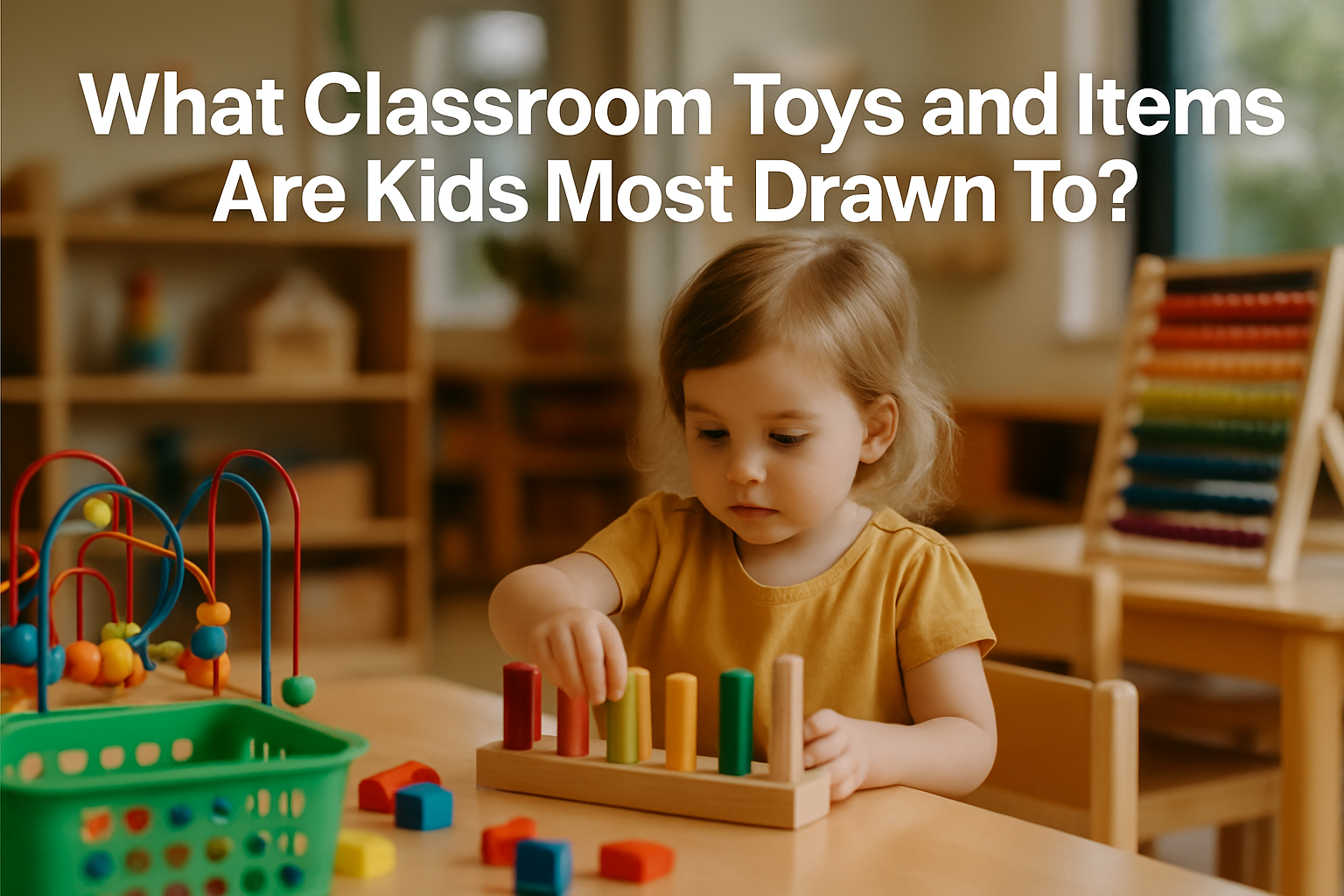

Introduction Finding toys that can keep children occupied for hours is impor...