25 Coolest Gifts for Grandchildren in 2026
Introduction The toy market in 2026 is characterized by vibrant innovation, ...

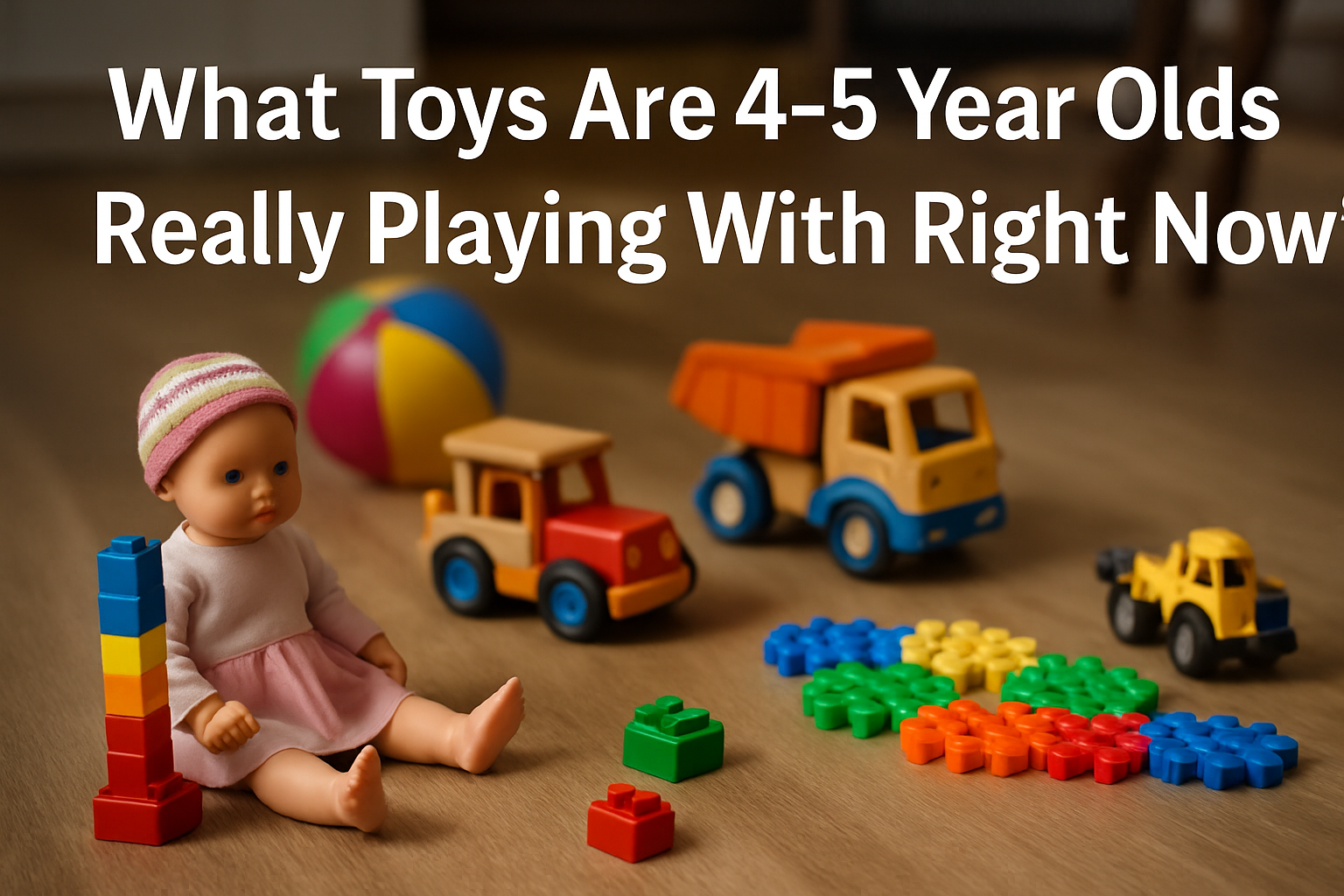

The toy market in 2026 is characterized by vibrant innovation, catering to the evolving interests and developmental needs of young children. As technology advances and educational philosophies change, new categories of toys are emerging that reflect these shifts. Parents today are seeking toys that not only entertain but also foster growth in key developmental areas such as cognitive skills, emotional intelligence, and physical activity. Understanding the current toy trends helps parents make informed choices that can positively influence their child's learning and play experiences.
In the context of early childhood development, the importance of engaging and appropriate toys cannot be underestimated. Toys play a fundamental role in children’s ability to explore and navigate their world. They stimulate imagination, creativity, and social interaction, which are crucial elements in the growth of 4–5-year-olds. As children engage with different types of toys, they develop essential skills, enhancing their learning more effectively than traditional methods alone. Therefore, insight into what toys are trending in this age group is vital for parents who wish to support their children’s growth through play.
Moreover, the engagement with toys is often a reflection of broader societal trends, including preferences towards sustainability and educational value. In 2026, there is a heightened awareness of the impact of play on child development, leading to a demand for toys that align with positive benefits across various domains. Ultimately, understanding the nuances of the toy market not only guides parents in making choices that support their children's educational journeys but also reflects deeper cultural values around play and learning. This exploration opens the door to discovering how best to nurture the next generation through thoughtfully chosen toys.
Children aged 4 to 5 years are at a critical stage of development, where play becomes a significant way for them to learn and grow. The toys that capture their interest and imagination tend to fall into several key categories that enhance their cognitive, social, and physical skills. Understanding these categories allows caregivers to choose toys that will not only entertain but also provide valuable learning experiences.
Educational toys are predominately popular among this age group, with a focus on enhancing essential skills such as mathematics, language, and problem-solving. These toys often come in the form of puzzles, building sets, or interactive games that challenge children while they play. The goal is to make learning fun and engaging, allowing children to grasp complex concepts in a playful context. Furthermore, these toys promote critical thinking and can help build a strong foundation for future academic success.
Another vital category is creative toys that foster imaginative play. This type of play is crucial for developing social skills, as children often engage in role-playing scenarios that require negotiation, collaboration, and empathy. Toys such as art supplies, dress-up costumes, or construction sets encourage 4 to 5-year-olds to express themselves, explore their interests, and develop narratives that enhance their communication skills. Engaging in imaginative play can significantly contribute to their emotional development, as they learn to interpret and convey emotions.
Lastly, outdoor toys play an integral role in promoting physical activity in young children. As kids become more mobile, toys like tricycles, scooters, or sports equipment encourage them to engage in play outside, boosting their physical health and coordination. Outdoor play is essential for developing gross motor skills as it involves running, jumping, and balancing, all of which are crucial for a child’s physical development. Providing opportunities for outdoor play not only fosters a love for physical activity but also nurtures an appreciation for nature and the environment.
As we look into 2026, certain trends in toys stand out that align with the current educational and recreational needs of young children. One of the most evident trends is the rise of toys designed to promote learning in STEM fields—science, technology, engineering, and mathematics. These toys often incorporate hands-on kits or digital applications that balance play with learning. By engaging with STEM-oriented toys, children can build crucial skills that will benefit them in an increasingly technical world.
In addition to educational toys, role-playing toys continue to captivate the imaginations of children. These toys are critical for stimulating creativity and providing opportunities for narrative development. Whether it's a toy kitchen, a veterinarian kit, or playing with figurines, children use role-playing to explore different scenarios and perspectives. This not only enhances their ability to think critically but also encourages collaboration and teamwork as they often engage in group play with peers.
Furthermore, toys that promote outdoor activity remain a top priority in 2026. With a focus on physical health and well-being, bicycles, scooters, and various sporting equipment encourage kids to explore the outdoors actively. These toys often facilitate a sense of adventure and freedom, which can enhance children's overall physical capacities and encourage healthy lifestyle choices from an early age. The importance of outdoor play cannot be overstated, as it allows children to develop their social skills while remaining active and engaged with their surroundings.
By focusing on these emerging trends and categories, caregivers can better equip children with the tools they need to thrive, both mentally and physically, in a rapidly changing world.
In 2026, the toy industry has witnessed significant shifts in consumer preferences, leading to exciting trends in the best-selling toys. Many toys that resonate with children and their developmental needs have surged in popularity. Insights reveal that educational toys that blend entertainment with learning are high on parents' lists, highlighting a growing trend towards products that provide more than just fun. The increased interest in toys that promote STEM (science, technology, engineering, and mathematics) learning underlines the desire among parents to invest in items that contribute positively to their child's growth and educational development.
Sales figures indicate a marked increase in the sales of interactive and technology-driven toys. This year, many parents have favored toys that incorporate digital elements, engaging children through apps and interactive features. The integration of technology within traditional play items has not only driven sales but has also transformed the way children interact with their toys. Furthermore, eco-friendly and sustainably made toys are also gaining traction as parents become increasingly conscious of environmental impacts and the importance of sustainability for future generations.
Overall, these trends reflect a profound change in the toy market, driven by informed consumer choices. As parents look for quality over quantity, the focus has shifted towards toys that engage children actively, enhance learning opportunities, and align with ethical considerations. This evolving landscape suggests that the future of toys might increasingly blend play with purpose, making educational value a primary factor for decision-making among parents.
Parental insights are invaluable when it comes to understanding the qualities that make toys successful and safe. Many parents emphasize safety as their top priority, making it essential for toys to meet stringent safety standards. Reviews commonly highlight toys that are made from non-toxic materials and designed with child safety in mind, ensuring that playtime is not just enjoyable but also risk-free. This awareness reflects a broader shift towards greater scrutiny of toy safety across the industry, with parents increasingly seeking out products that prioritize health and proper manufacturing processes.
Durability is another feature parents appreciate in toys, as quality craftsmanship leads to longer-lasting play experiences. Parents often find that investing in durable toys saves money and reduces waste, as these products withstand the rigors of active play. Towards this end, toys that retain their appeal over time, meant to grow with the child, are particularly favored. Reviews frequently highlight items that can evolve through different age stages or offer multiple modes of play, amplifying their relevance as children develop new skills.
Additionally, educational value is a recurring theme in parental recommendations. Toys that encourage problem-solving, creativity, and social interaction are often praised, as they engage children in constructive ways. Parents also delight in toys that integrate educational aspects into fun play sessions, as they appreciate opportunities for learning to occur organically. As a result, reviews often advocate for toys that strike a balance between fun and educational content, deeming them the best choices for fostering both joyful and meaningful play.
Toys play a fundamental role in the developmental journey of young children, significantly influencing their cognitive, motor, and social-emotional growth. During early childhood, children's brains are rapidly developing, and engaging with toys provides essential experiences that enhance their learning capabilities. Cognitive development is particularly affected by toys that challenge children, as they encourage problem-solving skills and critical thinking. Sensory toys, for instance, help strengthen the neural connections associated with perception, aiding in the child's understanding of the world around them.
Beyond cognitive skills, toys also foster motor development. Toys that require physical manipulation, such as building blocks or shape sorters, effectively develop hand-eye coordination and fine motor skills. As preschoolers grasp, stack, and fit pieces together, they refine their dexterity, creating a solid foundation for future skills such as writing or drawing. Moreover, outdoor toys can contribute to gross motor development, as they promote activities like running, jumping, and climbing, which are vital for physical health and wellbeing.
Social-emotional development is equally enriched through play with toys, as they serve as tools for interaction with peers and caregivers. When children play together, they learn to navigate social situations, practice sharing, and develop empathy towards others. Toys can also act as a medium for self-expression, allowing children to explore their feelings and develop their personalities. The variety of toys available caters to different interests and play styles, ensuring that each child's unique developmental needs are met.
Imaginative play, facilitated by role-playing toys and creative playsets, is vital for nurturing a child's social skills and emotional intelligence. Role-playing equips children with the means to create scenarios that mirror real-life situations, allowing them to explore different perspectives and practice interpersonal skills. For instance, toys resembling everyday items or figures from various professions can inspire conversations about family dynamics, community roles, and social norms. This not only enhances their understanding of the world but also fosters empathy as they step into different characters' shoes.
The significance of imaginative play extends far beyond mere entertainment; it supports the development of essential social skills such as cooperation and negotiation. When children engage in collaborative play, they must communicate, problem-solve, and compromise with their peers. Through guided interactions with role-playing toys, children learn how to express their thoughts and emotions effectively, which is essential for building meaningful relationships. This type of play also encourages creativity, as children often devise unique narratives and solutions during their playtime, cultivating their inventive minds.
Furthermore, research indicates that imaginative play contributes to emotional regulation. As children enact scenarios that may involve conflict or complex emotions, they practice managing their feelings in a safe environment. This skill is critical as they navigate their surroundings and encounter various interpersonal situations in daily life. Through creative expression, children become more attuned to their emotions and those of others, laying the groundwork for healthy social interactions in the future. Overall, the importance of imaginative and creative play in early childhood cannot be overstated, as it profoundly influences the socio-emotional fabric of a child's development.
Current safety standards for toys have evolved significantly to ensure the well-being of children. These standards cover a wide array of requirements, primarily focusing on aspects like material safety, mechanical hazards, and chemical exposure. Globally, organizations such as the American Society for Testing and Materials (ASTM) and the International Organization for Standardization (ISO) set safety benchmarks that toy manufacturers must meet. Compliance with these standards is critical to reduce risks associated with toy use. For instance, many countries require toys to pass rigorous testing to ensure that they do not contain harmful substances like phthalates or lead. Documentation of compliance is often required to ensure transparency and accountability from manufacturers.
The role of parents and manufacturers in ensuring toy safety cannot be understated. Parents play an essential part by educating themselves about the safety standards applicable to the toys they purchase. This includes looking for certification marks and ensuring that toys are age-appropriate. On the other hand, manufacturers have a responsibility to adhere to safety practices throughout the design and production processes. This involves conducting thorough testing on their products before they reach the market. Collaboration between parents and manufacturers is vital; when both parties prioritize safety, incidents related to toy hazards can be significantly diminished.
To ensure safe play for children, it is essential for parents to be vigilant when selecting toys. One of the key guidelines involves scrutinizing labels for age appropriateness. Toys are often categorized by age for good reason — younger children may not have the dexterity or understanding to safely interact with complex toys that older children can use. In addition to age guidelines, it is crucial to assess toys for choking hazards, particularly small parts that could pose a risk to toddlers. Recognizing these potential dangers can lead to informed choices that promote safe play.
Another important consideration in safe play is the presence of soft edges and non-toxic materials in toy construction. Parents should also remain aware of the environment in which toys are played with. A clutter-free play area can prevent accidents and ensure that children can engage with their toys without distraction. Overall, fostering a safe play experience involves consistent vigilance. Parents should not only prioritize quality toys but also actively engage with their children during playtime to guide them towards safe interactions.
The growing emphasis on sustainability has permeated the toy industry significantly, reflecting a broader cultural shift towards environmentally friendly consumer choices. Today, there is a notable rising demand for biodegradable and sustainable materials in toy production. Parents are becoming more conscious of the environmental impact of their purchases and are increasingly opting for toys made from organic, recycled, or natural materials. As a result, manufacturers are innovating by creating toys that strike a balance between fun and ecological responsibility. This shift not only benefits the environment but also sets the groundwork for instilling sustainability values in the next generation.
Moreover, the importance of environmentally friendly practices in toy manufacturing cannot be overstated. Companies are reevaluating their production processes, seeking to minimize waste and reduce carbon footprints. Implementing sustainable practices extends beyond material sourcing; it includes eco-conscious packaging, energy-efficient production methods, and responsible end-of-life disposal options for toys. Such initiatives are proving to be attractive not just to eco-conscious consumers but also to retailers who prioritize sustainability in their operations. As these practices become more standardized, the toy industry may see a surge in regulation and best practice frameworks that align with wider environmental goals.
In addition to consumers favoring eco-friendly products, there is a growing collaboration between manufacturers and environmental organizations aiming to create certifications that validate a toy's sustainability claims. Such alliances not only serve to boost consumer trust but also facilitate knowledge sharing around sustainable manufacturing practices. As the eco-friendly toy segment continues to grow, it is crucial for manufacturers to communicate their sustainability efforts transparently, showcasing both the materials used and the ethical standards adhered to throughout their production processes.
The integration of technology into toys is another compelling trend reshaping the industry. There has been a significant growth in toys that incorporate technology, creating immersive and interactive experiences for children. This not only enhances the traditional play experience but also promotes learning and skill development through engaging formats. Tech-enabled toys often feature advanced interactive elements such as connectivity to apps, programmable features, and educational content, creating a multidimensional play environment where both education and entertainment coexist.
Furthermore, recent developments in augmented reality (AR) and virtual reality (VR) have propelled the evolution of toys into an exciting new realm. These technologies allow for the creation of virtual play spaces where children can interact with digital characters and environments, significantly changing how they engage with toys. For instance, a physical toy could unlock a virtual world, allowing children to explore and learn in a safe, controlled setting. This trend not only captivates kids' attention but also encourages imaginative play and experiential learning in ways that traditional toys cannot.
As the demand for digital integration in toys increases, manufacturers must continuously adapt their offerings to keep pace with fast-evolving technology. This trend also raises discussions about screen time and the importance of finding a balance between digital and physical play. Therefore, it is essential for parents and caregivers to be involved, guiding children in their play choices while fostering opportunities for creativity and exploration. The future of toys will likely be one where digital integration becomes a seamless part of the play experience, providing both fun and education in equal measure, while addressing the necessary discussions about healthy play habits.
Selecting the right toys for children at various developmental stages is essential. Understanding developmental needs can significantly enhance the play experience and support growth. It’s important to assess not only the physical but also the cognitive and emotional development of a child. Toys that are too advanced may cause frustration, while those that are too simple can lead to boredom. Observing how a child interacts with their environment can offer valuable insights. For instance, a toddler working to grasp objects might thrive with toys that feature different textures and shapes, fostering engagement and skill development.
Additionally, toys that encourage the development of gross and fine motor skills are key components in a child’s growth journey. Gross motor skills involve larger movements, such as running, jumping, or climbing, whereas fine motor skills focus on small, precise movements, like grasping or manipulating objects. Selecting toys such as building blocks, which require balancing and stacking, promotes gross motor development. On the other hand, toys like puzzles or art supplies can enhance fine motor abilities, enabling children to strengthen hand-eye coordination. Fulfilling these developmental needs through thoughtful toy selection is beneficial in creating a supportive learning environment.
Final tips for parents revolve around actively involving children in the toy selection process. When children have a say in choosing their toys, they are more likely to engage and enjoy playtime. Encouraging children to express their interests nurtures independence and decision-making skills. Whether it involves visiting stores together or browsing options online, allowing children to participate helps them connect more deeply with the toys they choose. Furthermore, it is important to strike a balance between a child’s interests and the educational value of the toys they select. A toy that excites a child, such as a craft kit or a science experiment set, can be both fun and beneficial for learning.
By considering these factors, parents can create a tailored yet flexible toy selection process that supports their child's growth while honoring their individual preferences. Incorporating educational toys that align with a child’s hobbies not only enhances learning opportunities but also fosters a love for play and exploration, ensuring that toys remain a source of joy and development.
Toys play an influential role in shaping children's lives, particularly for kids aged 4 to 5 years, as they explore the world around them. In 2026, various toy categories have emerged as favorites among this age group. Notably, creative and imaginative toys, such as art supplies and building sets, encourage open-ended play. These types of toys not only captivate children's interest but also allow them to express their individuality and creativity. Furthermore, educational toys that incorporate aspects of STEM learning foster curiosity and problem-solving skills, laying a solid foundation for future academic success.
The appeal of plush toys and figurines remains strong, as they offer emotional comfort and companionship to young children. Such toys enable them to engage in imaginative play, often acting out stories and scenarios that mirror real-life experiences. Additionally, active play items like outdoor games and sports equipment help children develop their physical coordination and social interaction skills. The balance between indoor and outdoor play is essential, and parents are increasingly aware of the importance of providing a variety of toys that support overall growth.
Reflecting on the role of toys in child development, it is evident that they are more than just sources of entertainment. Engaging with toys helps children develop essential life skills, from motor skills and social abilities to cognitive problem-solving and emotional intelligence. As children navigate through their formative years, the toys they interact with can significantly impact their educational growth and social interactions. Therefore, selecting the right types of toys is essential for fostering an environment conducive to learning and development. In essence, the right toys are not merely playthings; they are vital tools that support children during these critical years of growth.
The toy market is poised for significant evolution in the coming years. Several shifts in preferences and categories are anticipated, driven by technological advancements and changing consumer behaviors. One notable trend is the increasing interest in educational and STEM (science, technology, engineering, mathematics) toys. Today's parents prioritize products that offer both entertainment and learning value. Therefore, toys that facilitate critical thinking, creativity, and problem-solving skills are likely to rise in popularity. This shift may encourage manufacturers to develop a wider range of products that not only captivate children's imaginations but also contribute to their cognitive development.
Additionally, environmental sustainability is becoming a pivotal factor in consumer decisions. As concerns about climate change grow, many consumers are seeking toys made from eco-friendly materials, which could lead to a major reform in production processes. Companies may need to invest in sustainable practices such as using recyclable materials and improving supply chain transparency. The emergence of eco-conscious products may also present opportunities for innovation in designs and marketing strategies, allowing brands to connect with environmentally aware consumers.
Moreover, the ever-evolving nature of technology presents both challenges and opportunities for the toy industry. The integration of digital elements into traditional toys is increasing. This trend encompasses augmented reality experiences, interactive apps, and connectivity features that allow play to extend beyond physical boundaries. However, this integration also raises questions regarding safety and screen time for children. Manufacturers will likely face heightened scrutiny regarding the content and interactivity of their products, as parents are more informed and concerned about potential overexposure to digital devices. Therefore, fostering a balance between technology and traditional play will be key to meeting consumer expectations while ensuring children's well-being.
In conclusion, the toy market is on the brink of transformation, shaped by shifts in consumer preferences towards educational and eco-friendly options, alongside the integration of technology in play. Brands must remain agile and responsive, embracing these trends to create engaging, safe, and sustainable products that resonate with the values of today's families. The road ahead presents both challenges and a wealth of opportunities as the industry adapts to the changing landscape of childhood play.



Introduction The toy market in 2026 is characterized by vibrant innovation, ...
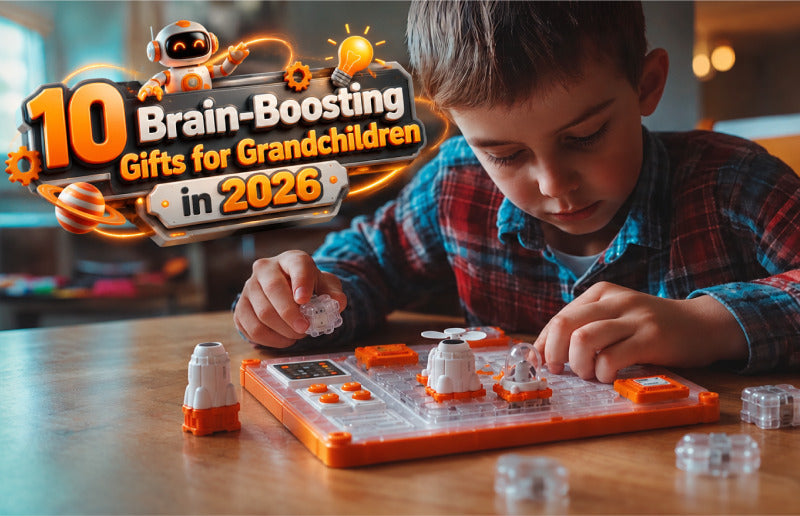

Introduction The toy market in 2026 is characterized by vibrant innovation, ...