25 Coolest Gifts for Grandchildren in 2026
Introduction to Independent Play Understanding Independent Play Independent...

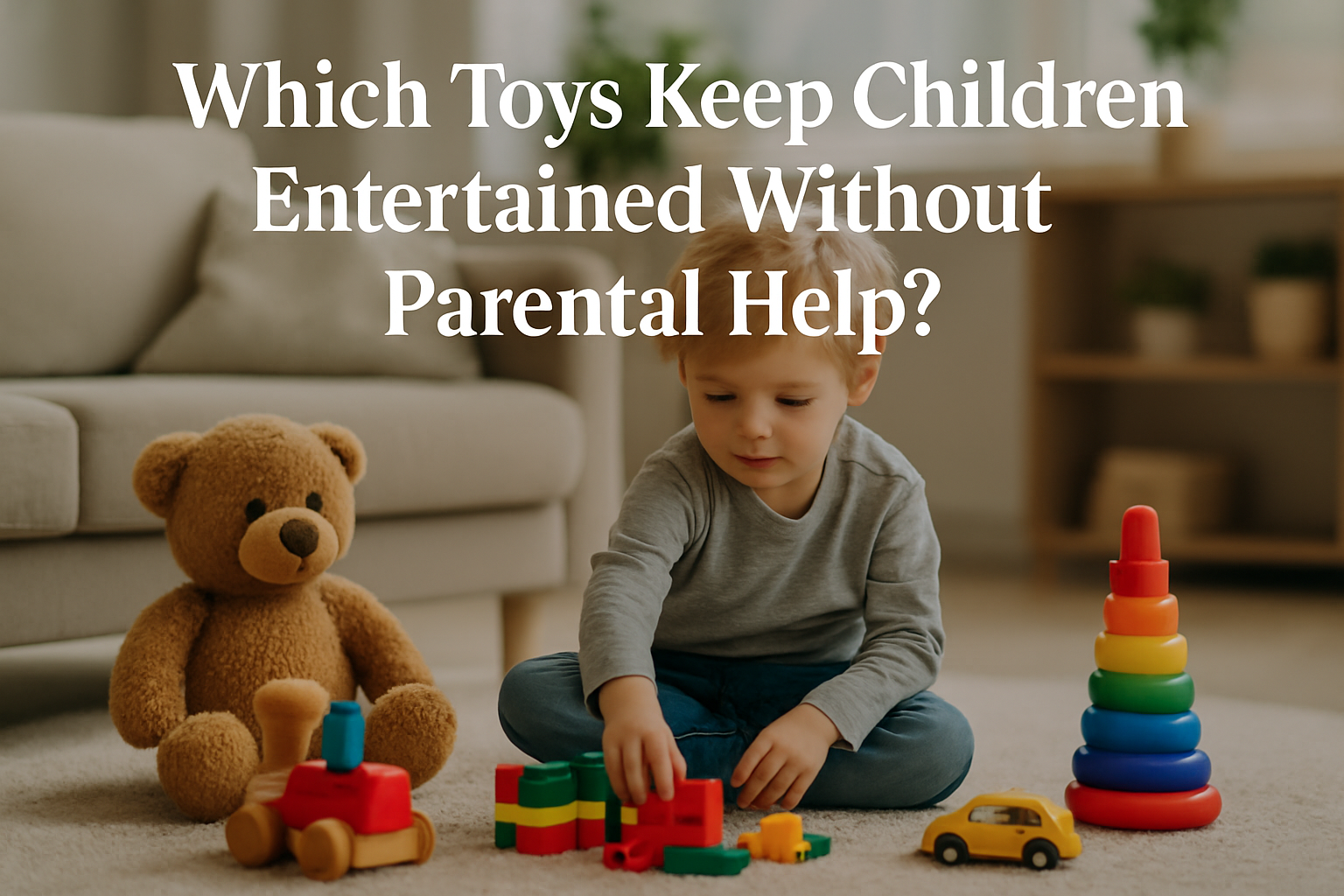

Independent play is a vital component of childhood development, encompassing activities that children engage in without direct supervision or assistance from adults. This form of play allows children to explore their interests, take initiative, and learn through trial and error. As children immerse themselves in independent play, they develop a sense of autonomy and self-reliance, skills that are crucial for their overall growth. The significance of independent play lies in its ability to encourage children to make choices, solve problems, and connect with their imaginative selves, all while laying the groundwork for lifelong learning.
The importance of independent play cannot be overstated. It serves as a foundation for essential life skills, including decision-making, time management, and responsibility. When children play independently, they are more likely to engage in activities that challenge their cognitive capacities and facilitate exploration. This self-directed play fosters resilience and adaptability, helping children learn how to navigate both successes and setbacks in a supportive environment. In today’s fast-paced and structured world, promoting the opportunity for independent play is crucial in nurturing well-rounded individuals who can think critically and act independently.
Moreover, independent play is instrumental in developing creativity and critical thinking skills. Engaging in play without the presence of guiding adults encourages children to think outside the box and come up with innovative solutions to challenges. For instance, when constructing a fort from cushions or creating a game with rules of their own, children exercise their imagination and resourcefulness. This unstructured form of play promotes divergent thinking, allowing children to explore various possibilities and outcomes. As they make choices and face the consequences of those choices during independent play, they cultivate cognitive flexibility and learn to approach problems from multiple perspectives. Therefore, fostering opportunities for independent play is not just about offering children free time; it's about facilitating their journey towards becoming confident, innovative thinkers.
Building and construction toys are cornerstone elements in encouraging independent play, as they allow children to explore their creativity without predetermined outcomes. These toys come in various forms, including blocks and magnetic tiles, which can all be assembled in limitless ways. Through this open-ended play, children engage in problem-solving, as they strategize how to connect pieces to create structures, vehicles, or anything else their imagination conjures. The process itself becomes a blank canvas, where creativity flourishes, providing children not just with entertainment but with invaluable skills.
The benefits of construction toys extend beyond mere fun. Engaging with these toys promotes important cognitive abilities, such as spatial awareness and critical thinking. As children manipulate different shapes and sizes, they learn about balance, symmetry, and gravity, gaining insight into the physical world. Furthermore, the process of completing a building project gives children a sense of accomplishment, boosting their self-esteem and encouraging them to tackle more complex challenges in the future.
In addition to cognitive benefits, building toys also foster social skills when children collaborate on projects. They learn to communicate their ideas, negotiate roles, and work towards a common goal. This aspect of cooperative play enhances their interpersonal skills and prepares them for real-life interactions. Ultimately, building and construction toys serve as multifaceted tools, paving the way for creative expression, critical thinking, and social development.
Creative toys encompass a broad array of items such as art supplies, craft kits, and musical instruments that stimulate a child’s imagination. These toys encourage exploration and self-discovery, allowing children to express their thoughts and emotions in tangible ways. When children engage with different materials, they not only enjoy the act of creating but also gain a deeper understanding of various techniques and processes. For instance, painting with a brush versus a sponge requires different approaches and thinking processes, pushing the boundaries of their creativity.
The significance of creative toys lies not just in imagination but also in essential skill development. Engaging in arts and crafts helps to improve fine motor skills, as children practice hand-eye coordination when drawing or cutting. They learn to control their movements delicately, which is beneficial for tasks both in and out of the classroom. Furthermore, these activities provide an avenue for self-expression, which is crucial for emotional development, allowing children to convey their feelings and experiences in ways they may not be able to verbally articulate.
Moreover, creative toys often encourage exploration of cultural and historical concepts as children engage in themes inspired by various artistic styles or traditions. This enrichment broadens their understanding of the world, fostering appreciation for diversity. Thus, creative toys play a vital role in enhancing cognitive, emotional, and social skills, providing a rich foundation for personal development.
Puzzles and games form another essential category of toys that support independent play while providing cognitive benefits. These toys can range from simple jigsaw puzzles to more complex strategy games, each designed to challenge a child's mind. As children work through puzzles, they employ logical reasoning and critical thinking to find solutions, honing their analytical skills. The process of fitting the pieces together or strategizing in a board game also helps enhance their problem-solving capabilities, preparing them for similar challenges in real life.
The cognitive benefits of engaging with puzzles extend beyond immediate problem solving. Studies have shown that working on puzzles can improve memory and concentration. When children focus on completing a puzzle, they practice visual-spatial skills, essential for learning in subjects like math and geometry. Additionally, the satisfaction of finishing a puzzle boosts their confidence and encourages persistence, reinforcing a growth mindset that will serve them well in future endeavors.
Furthermore, puzzles and games often present opportunities for social interaction, even in independent play settings. While many puzzles can be tackled individually, children often enjoy discussing strategies or sharing their thoughts on how to approach a game, promoting verbal communication. This interaction enhances their social skills and opens avenues for collaboration. Overall, puzzles and games not only enrich independent play, but they significantly contribute to cognitive and social development.
Interactive and technological toys are becoming increasingly popular in the realm of independent play, tapping into children’s affinity for technology. Toys such as educational tablets and coding kits leverage modern advancements to promote learning in engaging ways. These toys often provide immersive experiences that adapt to a child’s individual skill level, keeping them motivated and challenged. For example, interactive robots may allow children to program their actions, seamlessly integrating play with educational concepts like coding and robotics.
The role of technology in supporting independent play scenarios is profound. Many interactive toys come with built-in challenges and rewards systems that encourage exploration and self-directed learning. As children navigate through various levels of difficulty or solve puzzles on a touchscreen, they cultivate critical thinking and technological skills essential for the future. This aspect of play not only entertains but also prepares them for a world increasingly shaped by digital innovation.
Moreover, these technological toys can foster creativity by allowing children to experiment and create their digital projects. With tools for animation, coding, or music creation, children are encouraged to express themselves in a format that is relevant to their interests. While concerns regarding screen time are valid, when integrated thoughtfully, interactive toys can enhance independent play by merging fun with educational value, ensuring that children learn through their experiences.
Arts and crafts kits are an excellent category of toys that facilitate independent play while nurturing a child's creative spirit. These kits often include various materials—such as colored paper, paints, glitters, and adhesives—all designed to inspire children to create. The freedom to choose how they use these materials fosters individual expression, allowing children to produce unique artworks that reflect their feelings, thoughts, and personality. This element of autonomy is crucial in independent play, providing a sense of ownership over their creations.
Engaging in arts and crafts also yields cognitive and motor skill development benefits. As children manipulate various materials and tools, they enhance their fine motor skills and hand-eye coordination, which are vital for everyday tasks and academic readiness. Additionally, the process of planning a craft project involves critical thinking, as children must decide what they want to create and how to execute their vision. This type of project encourages them to think ahead and set goals, ultimately building problem-solving abilities.
Moreover, arts and crafts provide an avenue for emotional development. Creating art can be a therapeutic outlet for children. It allows them to navigate their emotions safely and express complex feelings they may struggle to articulate verbally. Beyond the immediate gratification of creating something tangible, arts and crafts are an integral aspect of cognitive and emotional growth, nurturing well-rounded individuals.
Outdoor toys play an essential role in promoting independent play and encouraging physical activity among children. These toys encompass a variety of items, such as balls, kites, and climbing equipment, all designed to stimulate movement and exploration. By engaging with outdoor toys, children embrace their natural environment, sparking adventure and increasing their understanding of the world around them. This type of play is vital for developing gross motor skills and coordination as they run, jump, and climb.
The importance of outdoor play extends beyond physical development; it also encourages self-sufficiency and decision-making. When children play outside, they often navigate their surroundings independently, make choices about their activities, and interact with peers. This sense of autonomy fosters confidence and resilience, as they learn to handle challenges such as negotiating space and resolving conflicts with other children. Through these interactions, children build essential social skills that are pivotal for their overall development.
Moreover, outdoor play promotes mental well-being by connecting children with nature. Studies indicate that outdoor activities can reduce stress and anxiety levels while increasing creativity and focus. The vastness of the outdoors provides an environment where children can explore freely, heightening their sense of wonder and curiosity. Ultimately, outdoor toys are indispensable in laying a foundation for exploration, social interaction, and personal growth, significantly contributing to holistic child development.
Selecting the right toys for children is a vital decision for parents and caregivers. The right toys can encourage development, creativity, and engagement, while also ensuring safety and durability. When considering toy selection, three primary criteria stand out: age appropriateness, safety and durability, and engagement levels.
Understanding age appropriateness is essential when selecting toys. Different developmental stages come with varying needs, abilities, and interests. Toys should align with the cognitive and physical development of children at each stage. For instance, infants benefit from toys that promote sensory exploration, such as soft blocks or rattles, which can support their motor skills and sensory development. As children grow into toddlers, they typically require toys that encourage imaginative play and fine motor skills, such as building sets or simple puzzles.
Recommendations for suitable toys within various age ranges often include considering the child’s interests alongside developmental milestones. For example, a child passionate about animals may enjoy toys related to nature, which can also spur educational discussions about wildlife. In this way, selecting toys that not only match the child's age but also resonate with their personal interests can enhance the play experience and encourage exploration of new concepts.
Safety is a paramount concern when selecting toys for children. Parents should be wary of toys that do not meet established safety standards. This means choosing toys made from non-toxic materials that have been tested for safety. Beyond materials, toys should also be designed without small parts that pose choking hazards for younger children. Durability is equally important; toys that can withstand rough play are more likely to last longer and provide consistent engagement, contributing to a child's independent play.
Selecting non-toxic and durable materials not only ensures safety but also reduces the likelihood of toys breaking and creating hazards. For instance, choosing toys made from reinforced plastics or natural wood can mitigate the risk of harmful exposure to chemicals. Additionally, evaluating product durability can inform choices about how often toys may need to be replaced, which, in turn, affects long-term cost and resource considerations.
Durability plays a significant role in the longevity of toys designed for independent play. Children often play actively and creatively, which requires toys that can endure various types of use. As such, investing in well-made toys not only ensures durability but also supports reusable play opportunities, where children can explore different ways to use the same toy over time. This encourages creativity and resourcefulness, ultimately enriching the child's play experience.
Evaluating the engagement levels of toys is crucial in ensuring that they capture children's attention and encourage independent exploration. A toy that can engage a child without direct parental involvement fosters autonomy and builds confidence. Indicators of good engagement include toys that allow for open-ended play experiences, where children can invent their own games and narratives. Constructive toys, such as building sets or art supplies, stimulate creativity and can keep children absorbed for extended periods.
Strategies for assessing a toy's engagement are also critical. Parents can look for toys that offer varying levels of challenge, adapting to a child’s growing skill set. This helps in keeping playtime exciting and encourages children to return to the toy again and again. Additionally, incorporating variety, such as multiple ways to play or adjustable difficulty levels, can sustain a child's interest over time, making the toy a long-term feature in their play routine.
The challenge presented by toys also contributes to child engagement. Toys that encourage problem-solving, critical thinking, and imaginative play can enhance a child’s learning while keeping them entertained. As they tackle challenges presented by these toys, children develop essential cognitive skills, enhance their attention spans, and cultivate resilience. Selecting toys that are dynamic and adaptable ensures that children can remain engaged, explore their creativity, and enjoy self-directed play, all while developing important life skills.
Independent play serves as a vital catalyst for cognitive development in children. Engaging with toys and games independently encourages children to think critically and develop problem-solving skills. When children interact with puzzles, building blocks, or artistic materials, they naturally encounter challenges that require creative thinking. This hands-on experience allows them to hypothesize outcomes, test their ideas, and adjust their approaches based on the results they observe. For instance, when a child builds a tower with blocks and it topples, they learn about balance and gravity, prompting them to modify their structure to achieve stability. Thus, independent play effectively nurtures cognitive growth through direct interaction with their environment.
Furthermore, the impact of independent play on cognitive growth can be seen in how children learn to process information. By making choices in their play, such as selecting games or determining the rules, children enhance their decision-making capabilities. This autonomy also fosters a sense of initiative, as they become more likely to explore new ideas and learn concepts independently. Engaging in self-directed tasks sharpens attention, boosts memory retention, and helps in the formation of neural connections that are foundational for learning. Ultimately, children who partake in frequent independent play are better equipped for academic challenges, as they consistently practice skills that translate into effective learning strategies.
Moreover, independent play allows for personalized exploration where children can align activities with their own interests. This tailored experience amplifies motivation, as children are more likely to invest effort in pursuits that resonate with them. For example, a child interested in dinosaurs may spend hours creating a habitat for toy figures, thus learning about ecosystems and prehistoric life. This form of immersive play deepens understanding and retention of knowledge, reflecting that not all learning is best achieved through structured methods. The blend of play and education through self-sufficiency sets a strong foundation for lifelong learning.
The role of independent play in emotional and social development is significant and multifaceted. Through self-directed play, children build confidence as they navigate challenges and experience success on their own terms. When they initiate and engage in activities without adult intervention, they foster a sense of ownership and mastery over their environment. This autonomy directly contributes to their self-esteem, as children learn that their choices yield outcomes and that they are capable of navigating their worlds independently. The process of overcoming obstacles during play helps them develop resilience, crucial for managing disappointments both in play and real-life situations.
Additionally, independent play enhances social skills by providing a context to emulate social interactions. Even when playing alone, children often simulate conversations or scenarios that reflect social dynamics. For instance, a child may act out different roles in a pretend game, thus practicing negotiation, cooperation, and empathy. These simulations enable children to understand various perspectives, honing their ability to relate with others. As their social awareness expands, they become more adept at recognizing emotions in peers, improving their skills in collaboration and conflict resolution when they eventually engage in group play.
Equally important is the impact of self-sufficiency in play on emotional regulation. Through independent play, children learn to recognize and manage their feelings, which is essential for resilience. Engaging in solo activities allows kids to explore their emotions freely without the immediate influence of peers or adults. They may express excitement, frustration, or curiosity as they confront the ebb and flow of play, which fosters emotional awareness. Such experiences help children understand the importance of self-soothing and developing coping strategies. Overall, the independence gained through solitary play nurtures both emotional maturity and social competence, setting the stage for children to grow into well-rounded individuals who can thrive in various social contexts.
Final Thoughts
Reflecting on the importance of independent play, it becomes clear that fostering creativity and self-expression in children is paramount. Throughout the article, we discussed the significant benefits of unstructured play, which include enhanced problem-solving skills, greater emotional resilience, and improved social interactions. Engaging in independent play allows children to explore their interests and develop their imagination, laying the groundwork for lifelong skills. Encouraging kids to take ownership of their playtime nurtures their independence and builds their confidence as they navigate different scenarios, whether alone or with peers.
As we examined, diverse forms of independent play can vastly enrich a child's daily experiences. Parents are encouraged to explore a variety of activities such as arts and crafts, imaginative role-play, nature exploration, and DIY projects. These options not only cater to different interests but also facilitate the development of various skills. For example, creating with various materials can boost fine motor skills while imaginative role-play fosters empathy and communication skills. The beauty of independent play lies in its adaptability; it can be tailored to suit any environment or season, ensuring that children remain engaged and motivated.
In embracing a myriad of independent play opportunities, parents play a vital role in shaping enriching experiences for their children. It is essential to provide the right resources and a safe environment where children feel free to express themselves. Encouraging your child to try new activities can spark their creativity and help them discover hidden talents. Ultimately, whether through solo explorations or collaborative play with peers, the key takeaway is to support children's journeys through independent play, fostering an environment where they can thrive.



Introduction to Independent Play Understanding Independent Play Independent...

Introduction to Independent Play Understanding Independent Play Independent...