
What Are the Top Toys 4-Year-Olds Love Most?
The Importance of Choosing Durable Toys Selecting toys that can endure the w...

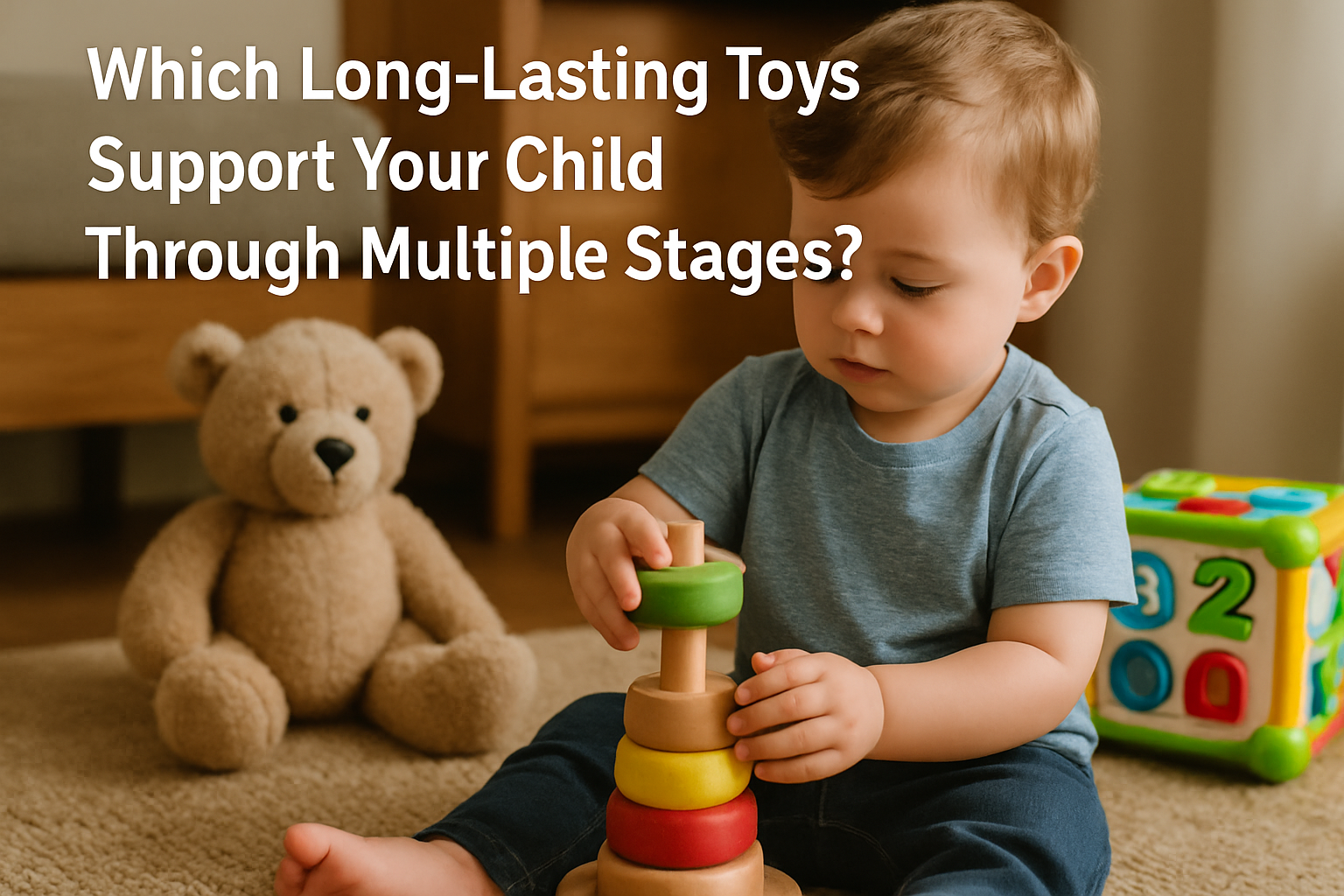

Selecting toys that can endure the wear and tear of active play is vital for any parent or caregiver. Durable toys withstand daily use, offering children the freedom to explore different activities without the constant worry of breakage. These toys can handle the rigors of imaginative play, physical activity, and creative exploration. They are not just about immediate entertainment; rather, they serve a more significant purpose by supporting countless hours of play, which is essential for a child's development. Investing in sturdy toys means fewer trips to the store for replacements, allowing children to form attachments to their toys as they grow.
Moreover, safety is paramount when choosing toys for children. Long-lasting toys often adhere to higher safety standards, ensuring materials are non-toxic and designs are free of hazardous components. Parents can feel secure knowing that these toys will last through rigorous use without posing risks to their children's health. The longevity of these toys often correlates with their construction quality, which significantly affects safety. As a result, selecting high-quality, durable toys can lead to a safe play environment while also encouraging economical choices in the long run.
Toys also play an essential role throughout various stages of a child's development. Each growth phase presents unique developmental milestones, and the right toys can enhance learning experiences during these critical times. From stimulating an infant's senses with colorful and textured items to engaging preschool and school-age children in complex problem-solving tasks, toys can bridge the gap between play and crucial learning opportunities. Understanding how different toys cater to the diverse needs of children as they age is essential for fostering their development effectively. By prioritizing durability, safety, and growth alignment, parents can ensure that their choices contribute positively to their child's developmental journey.
During infancy, toys play a pivotal role in stimulating sensory development. Infants are naturally curious and engage with their environment through sight, sound, and touch. Toys that provide contrasting colors, different textures, and soft sounds can captivate their attention and encourage exploration. Rattles, plush toys, and brightly colored mobiles not only attract an infant’s gaze but also facilitate tactile stimulation, making them essential for this early stage of life. Safeguarding the sensory experience is critical, thus ensuring all toys are free from sharp edges and made from non-toxic materials is paramount.
Interactive toys further promote cognitive skills at this stage. Toys that respond to a baby's actions, such as those that light up or make sounds when pressed, nurture cause-and-effect understanding. These types of toys encourage infants to experiment and discover how their actions can lead to exciting outcomes. Simple peek-a-boo toys or soft books with flaps serve this purpose well, engaging infants in meaningful interactions while also enhancing their cognitive development.
As children transition into toddlerhood, their developmental needs shift significantly. At this age, stacking toys are particularly beneficial as they enhance fine motor skills and encourage hand-eye coordination. These toys invite toddlers to manipulate shapes and colors, fostering concentration and dexterity. By stacking various items, toddlers learn about balance and gravity while actively engaging in play, promoting both cognitive and physical development.
Puzzle toys also become integral during this period, as they provide opportunities for problem-solving and spatial awareness. Simple jigsaw puzzles that feature large, easy-to-handle pieces can help toddlers develop critical thinking skills. Working through puzzles allows children to recognize patterns, shapes, and colors, reinforcing their cognitive abilities. Moreover, as toddlers practice solving puzzles, they gain a sense of accomplishment that boosts their confidence and motivation to try new challenges.
Imaginative play is a hallmark of toddlerhood, and it serves a vital role in emotional and social development. Toys such as pretend kitchen sets or play figures enable children to express their creativity while mimicking real-life scenarios. This form of play encourages toddlers to explore different roles and emotions, fostering empathy and understanding. Engaging in imaginative play with peers or adults not only enhances social skills but nurtures communication abilities as children learn to share ideas and collaborate in their play narratives.
In preschool age, educational toys that foster early learning are essential as children prepare for structured education. Toys that teach letters, numbers, and basic concepts through play can make learning enjoyable and effective. For instance, block sets with letters or numbers imbue a sense of fun while reinforcing foundational knowledge that will aid in their academic journey.
Additionally, toys designed for the development of social skills are invaluable during this stage. Cooperation-based games or team activities encourage children to work together, negotiate rules, and develop interpersonal relationships. Engaging with peers through group play supports emotional regulation, allowing children to express themselves and develop resilience as they navigate social interactions. This stage is where foundational social dynamics are laid, making the choice of toys fundamental in shaping how children interact with others.
Despite the focus on educational value, it's also vital to maintain a balance of fun in toys for preschoolers. Toys should not only serve as learning tools but should also be engaging and enjoyable for children. A toy that captivates a child’s imagination can inspire hours of creative play. When educational toys cleverly intertwine fun and learning, children are more likely to remain engaged and enthusiastic, thus cultivating a positive attitude toward exploration and education.
As children enter early school age, STEM toys that encourage analytical thinking take center stage. These toys help cultivate a child's interest in science, technology, engineering, and mathematics. Building sets and simple coding games can challenge young minds, promoting critical thinking and problem-solving skills. Engaging with these types of toys encourages children to think creatively while also developing persistence as they tackle challenges.
Art and craft supplies also play a significant role in fostering creativity during this developmental stage. Encouraging children to express themselves through drawing, painting, or crafting allows for individual exploration of their ideas and emotions. Art projects can improve fine motor skills while offering a therapeutic outlet for self-expression. Children learn that their imagination has no boundaries, which fosters innovation and a lifelong love for learning.
Games that promote teamwork and cooperation are particularly beneficial as children’s social circles expand. Engaging in multiplayer games or group activities not only serves to entertain but also teaches children vital lessons in collaboration, communication, and empathy. These games often require players to strategize together, thereby reinforcing the importance of working towards a common goal. Ultimately, balancing fun with educational value ensures that children develop holistically as they navigate this critical stage of growth.
When it comes to selecting toys for toddlers, durability is often a key consideration for parents. Toys that can withstand the rigors of playtime while remaining engaging can provide significant value. Understanding the key categories of durable toys can help in making informed choices that support a toddler's development over the years.
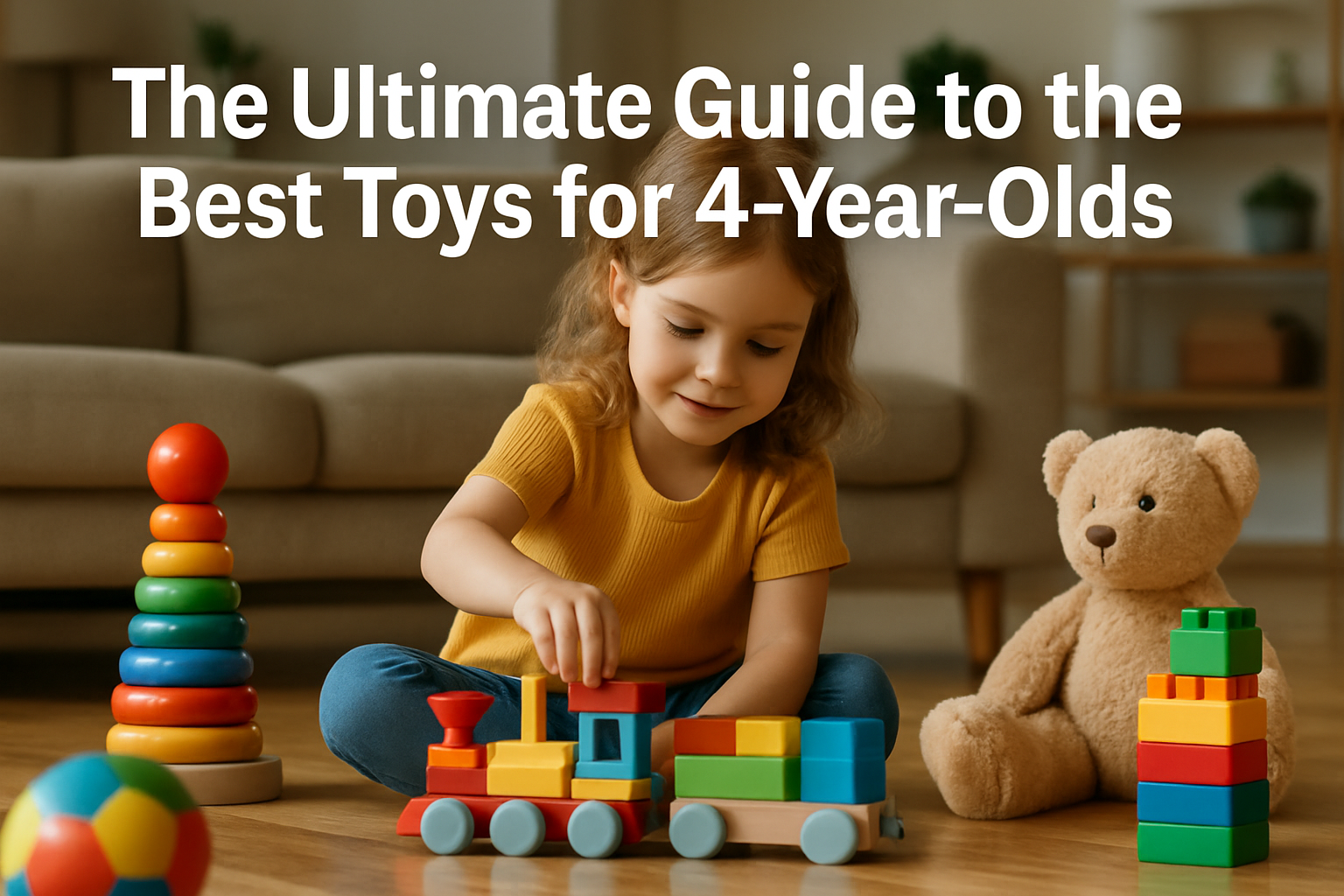
One of the most enduring categories of toys is wooden blocks. These versatile playthings have been a staple in childhood for generations. Wooden blocks come in various shapes and sizes, making them perfect for open-ended play. Toddlers can stack, sort, and create structures, allowing them to explore spatial relationships and enhance their creativity. Moreover, wooden blocks often have a tactile quality that engages young children while also teaching them about balance and gravity. Their simple design encourages imaginative play, letting children build anything from castles to vehicles, enhancing cognitive flexibility as they experiment with their designs.
In addition, stacking toys represent another excellent choice for fostering fine motor skills. These toys typically consist of rings or blocks that toddlers can slide and fit onto a central post. This activity hones dexterity and hand-eye coordination, critical skills at this age. By using durable materials designed to withstand repeated use, stacking toys can be enjoyed for years. They also encourage problem-solving as toddlers learn to figure out how to arrange the pieces. The satisfaction of success in stacking reinforces their confidence and motivates further exploration and play.
Ride-on toys also play a significant role in promoting gross motor development in toddlers. These toys allow young children to push off the ground and propel themselves forward, enhancing coordination and strength. Durable ride-on toys are built to provide stability, making them safe for active exploration. They often feature ergonomic designs that grow with the child, allowing longer usage. As toddlers navigate their environment, they develop balance and spatial awareness. Meanwhile, the excitement of movement stimulates their adventurous spirit, setting the stage for physical activity that can carry into later childhood years.
Role-play toys, such as play kitchen sets, encourage toddlers to engage in interactive pretend play. These toys help simulate real-life scenarios, allowing children to explore social roles and responsibilities within a fun context. A well-constructed play kitchen can withstand years of imaginative play, serving as a centerpiece for countless social interactions with peers and caregivers alike. As children cook up imaginary meals, they practice language skills and enhance their cognitive abilities through storytelling and role simulation. Such toys not only provide entertainment but also lay the groundwork for future learning and social skills development.
In summary, investing in long-lasting toys for toddlers can yield benefits that extend beyond mere play. From wooden blocks that stimulate creativity to role-playing toys that encourage social interaction, these durable categories support essential developmental milestones while ensuring children have fun along the way.
Educational toys that grow with children are designed to adapt to various developmental stages, making learning an engaging and seamless experience. These toys often leverage adjustable features, varying levels of complexity, and multi-stage utility to cater to the evolving needs of children as they progress from infancy to school age. These adaptable tools leave a significant impact on developmental milestones, encouraging children to explore, learn, and develop critical thinking skills.
The importance of adaptability in educational toys cannot be overstated. As children transition through different phases of development, their learning styles and interests shift. Toys that can be modified to challenge their changing cognitive, physical, and social skills provide continuous engagement and promote lifelong learning habits. For instance, a toy that starts as a simple shape sorter can transform into a more complex puzzle or even a construction set, stimulating a child’s growth in various areas from motor skills to spatial awareness.
Examples of toys suitable for different developmental needs include building blocks that encourage spatial recognition and hand-eye coordination in toddlers, while older children can use the same blocks to delve into architectural concepts or complex problem-solving. Additionally, toys that incorporate counting, color recognition, or language development can seamlessly transition from basic to more advanced lessons, offering children new challenges without losing the foundational elements they already grasp.
Multifunctional toys that serve various educational purposes are essential for enhancing children's play experiences. These versatile learning materials are designed to provide a breadth of learning opportunities, allowing children to interact with the same toy in numerous ways. As children engage in creative play, these toys help integrate learning with fun, fostering an environment where exploration and enthusiasm for education thrive.
Moreover, transitioning toys can evolve with the child, adapting their functionality to ensure relevance at different ages and stages. For example, a set of visual and auditory learning tools may start as simple toys aimed at younger children, focusing on basic language skills and sensory exploration. As the child matures, the same tools can progress into more intricate games that enhance language fluency and critical thinking, supporting an enriched learning journey over the years.
Incorporating elements of imaginative play can further enhance the utility of these educational materials. Children often learn best when they can explore through play, making it essential for toys to not only educate but also inspire creativity. Toys that encourage role-playing or storytelling can spark imagination while reinforcing essential skills such as language development and social interaction. By emphasizing versatility and adaptability, these toys ensure lasting value and continued engagement throughout a child's formative years.
Selecting toys that endure throughout a child's developmental stages is essential for fostering growth, creativity, and engagement. Parents must navigate various factors to choose items that serve their purpose effectively while ensuring safety and educational value.
Safety is a fundamental factor in toy selection. Toys should be made from non-toxic materials, especially for younger children who are prone to exploring objects orally. The construction quality is also paramount; durable toys are less likely to break and pose a risk of injury. As children grow, the toys they interact with should adapt to their changing needs. Parents should look for items that not only comply with safety standards but also provide an engaging play experience without compromising children’s safety.
Age appropriateness and developmental relevance are essential when considering a toy's utility. It's important to understand different stages of child development and the types of play that can enhance learning and motor skills. For instance, while infants may benefit from bright, sensory toys, toddlers can be more engaged with items that encourage imaginative role play, problem-solving, or basic motor skills. Ensuring that toys align with developmental milestones will enhance their usability over time and foster a more enriching play environment.
Additionally, evaluating the educational value of toys is key. Children benefit from toys that inspire creativity and critical thinking. Toys that can facilitate collaborative play also encourage teamwork and communication skills. Educational toys can range from building sets that enhance spatial awareness to art supplies that nurture creativity. Evaluating how a toy can challenge and engage a child across various developmental stages can lead to a more rewarding and lengthy playtime experience.
Long-lasting toys offer more than just entertainment; they are essential tools for enhancing cognitive skills in children. Research shows that enduring toys engage children in play that promotes critical thinking and problem-solving abilities. Toys that can be assembled or manipulated encourage children to explore various outcomes and solutions. This hands-on interaction helps develop fine motor skills and enhances spatial reasoning as children learn to coordinate their movements with what they observe in their play.
Moreover, many long-lasting toys foster creativity by allowing for open-ended play. Examples include building blocks or art supplies that can be used in a multitude of ways. Such toys inspire children to imagine, create, and express themselves freely. Through imaginative play, children can explore different scenarios, understand various perspectives, and develop storytelling skills. This multifaceted approach to play is fundamental in nurturing a child's creative potential and overall intellectual growth.
As children interact with enduring toys, they're likely to engage in collaborative play with peers, further amplifying their social skills. Sharing toys and working together to create something meaningful fosters communication and teamwork. Therefore, when choosing toys, considering those that support not only individual development but also interactive play can significantly influence a child's cognitive and creative development trajectory. Long-lasting toys thus become invaluable assets that contribute positively to a child's educational and personal growth.
Multi-functional and open-ended toys serve as a powerful tool in fostering cognitive development among children. Through engaging in play with these toys, children can stimulate their problem-solving skills. For example, when a child faces the challenge of constructing a building with blocks of various shapes and sizes, they instinctively begin to analyze and manipulate the materials to discover which combinations are stable and visually appealing. This exploration encourages experimentation and critical thinking, as children learn to adjust their approach based on trial and error. Such experiences are essential for developing a strong foundation in problem-solving, which will benefit them throughout their academic and everyday lives.
Moreover, the creativity fostered by multi-functional toys cannot be overstated. These toys provide a blank canvas for children's imaginations. Unlike conventional toys with set functionalities, open-ended toys encourage children to invent their own games and storylines. This unrestricted play nurtures their ability to think outside the box, enhancing their creative skills. For instance, a simple set of building blocks can transform into various structures: a castle one day, a spaceship the next. This flexibility not only enhances creativity but also instills a sense of curiosity that drives children to explore new ideas and concepts on their own.
Furthermore, critical thinking is reinforced as children learn to navigate possibilities and outcomes. As they engage with versatile toys, they begin to recognize patterns, make predictions, and learn about cause and effect through their interactions. This type of play is integral to cognitive development, as it helps children build the skills necessary to analyze information and make informed decisions. In essence, multi-functional and open-ended toys do more than entertain; they are instrumental in shaping young minds into critical thinkers who are equipped for future challenges.
In addition to cognitive development, multi-functional and open-ended toys play a significant role in promoting social and emotional growth in children. Collaborative play with versatile toys encourages teamwork and sharing among peers. When children engage in group activities, they learn to communicate effectively, listen to each other, and compromise on various aspects of their play. Such interactions foster social skills that are vital for building relationships and functioning within a community. For instance, working together to build a large structure from blocks can require negotiation and the coordination of ideas, teaching children the importance of understanding others' perspectives and collaborating towards a common goal.
The experience of sharing and collaborating also contributes to the development of emotional intelligence. As children navigate through play scenarios, they face moments of success and challenge, which allow them to express their feelings, whether it be joy from achieving a shared objective or frustration from conflicts. These emotional experiences are key opportunities for children to learn how to handle their emotions and those of their peers. As they learn to manage their responses, children boost their resilience and adaptability, essential traits for emotional well-being.
Additionally, mastering new skills in the context of play with these toys can significantly build a child's self-esteem and confidence. Each achievement, whether completing a challenging task or contributing well in a group activity, reinforces their sense of capability and validation. Children begin to recognize their strengths and gain the courage to tackle more complex tasks in the future. The empowerment that comes from overcoming challenges in a supportive environment creates a positive feedback loop, encouraging children to engage in further growth. Ultimately, the interplay of social interactions and emotional experiences during play fosters a well-rounded development that is crucial to their journey into adulthood.
Toys play a vital role in stimulating cognitive skills and promoting learning in children. The variety of textures, colors, and shapes in toys can captivate a child's attention, encouraging exploration and curiosity. For instance, building blocks help develop spatial awareness and problem-solving abilities as children learn to balance different shapes and figures. Similarly, puzzles can enhance critical thinking and memory skills as kids work to fit pieces together to complete a picture. Each play session brings new opportunities for children to process information, recognize patterns, and understand cause-and-effect relationships, which are fundamental aspects of cognitive development.
Furthermore, educational toys designed for specific age groups have a significant impact on developmental milestones. For younger children, toys that encourage basic counting, letter recognition, or even simple motor skills can aid in laying the foundational knowledge necessary for later academic success. As children grow older, interactive toys that challenge them to think strategically or engage in imaginative play can further enhance their cognitive abilities. Activities that require children to follow rules or maintain a game structure also foster attention span and patience, skills essential for learning in school environments.
Through play, children are not only having fun but are also engaging in cognitive tasks that support their brain development. This playful learning is instrumental in shaping how they process information and understand the world around them. Importantly, the interactive nature of many toys today allows for collaborative play, where children learn from one another, fostering a sense of teamwork and collective problem-solving. The cognitive development influenced by toys is intertwined with social interactions, demonstrating that play serves as a powerful tool for overall development.
The emotional growth of a child is intricately linked to the toys they interact with during their formative years. Toys serve as instruments for emotional expression and help children build confidence. They provide safe spaces for children to explore their feelings, whether through role-playing scenarios that mimic real-life situations or through creative play that allows for self-expression. For instance, dolls and action figures serve as proxies for emotions, offering children an avenue to process feelings related to relationships and social dynamics. Such play not only aids in emotional release but also helps children to understand and articulate their own emotions more effectively.
Moreover, certain toys are designed specifically to encourage empathy and the development of social skills among peers. Simple games that involve sharing, turn-taking, and cooperation teach children the essence of teamwork and understanding others' perspectives. For instance, collaborative games that require communication to achieve a common goal foster a sense of community among peers. These experiences are critical in helping children navigate social environments, developing their ability to form meaningful relationships with others. Playing with others can also serve as a platform for practicing conflict resolution and empathy, which are essential interpersonal skills.
Transitioning from solitary play to interactive play allows children to develop a sense of belonging and validation in their emotional experiences. When children engage in play with others, they learn to celebrate successes and cope with disappointments together, which builds resilience. Through toys, children learn that emotions can be shared and understood, not just felt in isolation. This ability to connect emotionally with others not only enhances their confidence but also lays the groundwork for healthy emotional intelligence that will benefit them throughout their lives. In essence, toys are not just playthings; they are pivotal in shaping emotionally competent individuals who are capable of thriving in a complex social world.
Maintaining toys is essential for ensuring their longevity and safety. One of the most effective ways to achieve this is by using appropriate cleaning materials. Many toys accumulate dust, dirt, and germs over time, risking the health of children who play with them. Gentle soap and water are often sufficient for cleaning hard surfaces, while soft cloths can be used for delicate areas to avoid damage. For toys made from fabric, it’s wise to consult care labels for washing instructions, ensuring that the material remains intact while removing contaminants. Additionally, mild disinfectants can be utilized to reduce the presence of bacteria and viruses, particularly on toys that are frequently handled.
Establishing a regular schedule for toy inspections and cleaning is key to maintaining their condition. Setting aside time monthly to check for wear and tear helps catch potential issues early on. During these inspections, look for any broken pieces, loose screws, or frayed edges that may pose safety hazards. Addressing minor repairs, such as reattaching loose parts or sewing up small tears, can prevent the need for costly replacements down the line. Keeping a checklist or a simple log can streamline this process, making it easier to track which toys have been cleaned and inspected.
Moreover, teaching children about the importance of taking care of their toys can instill a sense of responsibility and ownership. Encourage them to help with cleaning routines, making it a fun and engaging activity. This practice not only fosters a habit of cleanliness but also helps kids appreciate their toys more, ensuring they treat them with respect. As they learn proper maintenance techniques, they become more mindful of how they handle their toys, which contributes to their longevity.
Proper storage techniques play a fundamental role in the durability of toys. Creating a designated space for toy storage can minimize clutter and reduce the likelihood of damage. Utilizing bins, baskets, or shelves helps keep toys organized and easily accessible, preventing them from being tossed around haphazardly. Consider categorizing toys by type or size, which simplifies finding favorite items while also promoting a tidy environment. Implementing storage in a way that is both functional and aesthetically pleasing can encourage children to keep their toys in designated areas rather than leaving them scattered across the floor.
Temperature and humidity also affect toy longevity. To prevent warping, fading, or mold growth, store toys in a dry, climate-controlled area. Avoid placing toys in basements, attics, or areas subject to extreme temperature fluctuations. When not in use, consider placing certain items in airtight containers to further protect them from dust and moisture. Additionally, keeping toys away from direct sunlight helps preserve their colors and materials, especially for items made of plastic or fabric.
By maintaining an organized and temperature-controlled storage solution, toys can remain in excellent condition for years. Furthermore, engaging children in the process of organizing toy storage can help develop lifelong habits of cleanliness and responsibility, ensuring they understand the value of their possessions. A systematic approach to both cleaning and storage not only prolongs the life of toys but also enhances the overall play experience, allowing children to enjoy them for many years.
When selecting toys for their children, parents prioritize safety and educational values above all else. The safety of toys is paramount; parents want peace of mind knowing that the materials used are non-toxic and free from harmful chemicals. This concern for safety goes hand in hand with the educational value that toys provide. Parents actively seek toys that stimulate learning and encourage skill development, believing that play should be beneficial as well as enjoyable. Thus, toys that are labeled as educational or promote problem-solving and critical thinking often become more appealing selections.
Additionally, the quality of materials used in toys significantly impacts both parental satisfaction and the longevity of the products. Parents are increasingly aware of the importance of durable materials, as toys made from high-quality substances tend to withstand the test of time and rigorous play. This not only reduces the frequency of repurchases but also ensures that the toys remain safe and enjoyable throughout their lifespan. High-quality toys can often be handed down or shared, creating a sense of value and history within families. The combination of safety and material quality forms a compelling foundation for parents when choosing toys that will last.
Moreover, durable toys often reflect a thoughtful design that takes into account the various stages of child development. Parents appreciate toys that can adapt as their child grows, catering to different age groups and learning stages. This adaptability means parents can invest in toys that provide ongoing value, reducing waste and the environmental impact associated with discarded, short-lived toys. Ultimately, the assurance of safety and educational validity, coupled with strong material quality, creates a comprehensive checklist for parents in their quest for lasting toys.
Long-lasting toys play a vital role in cognitive and physical development, as parents recognize the significant impact that quality playthings can have on their children's growth. From building blocks that enhance spatial reasoning to puzzles that foster critical thinking, durable toys contribute to essential learning outcomes. Parents report observing improvements in their child's problem-solving skills and creativity as they engage in open-ended play with these toys. Such developmental benefits often translate into a greater sense of confidence in children's abilities since they are tackling more complex challenges through play.
In addition to cognitive gains, long-lasting toys also support physical development. Parents notice that toys designed for extended use may facilitate gross and fine motor skill development. For example, toys that involve stacking, pulling, or moving promote hand-eye coordination and dexterity. Many parents appreciate that these toys not only entertain their children but also promote active engagement, leading to healthier play habits. The physical interaction with durable toys encourages children to experiment with their physical limits, exploring their movements in a safe and structured environment.
Parental perceptions of play value evolve over time, especially as children form emotional attachments to their toys. Parents often find that toys which endure the test of time not only retain their functional appeal but also become treasured items imbued with memories. This emotional connection enhances the overall play experience, as parents observe their children revisit and re-engage with these toys throughout different stages of life. The enduring nature of these toys fosters imaginative play over time, often leading to rich, narrative experiences that may spur the development of social skills during group play. Such insights underscore the importance parents place on selecting toys that transcend mere utility, thereby enriching their child's play experiences in profound ways.
Selecting the right toys for children can significantly impact their development and play experiences. Parents play a pivotal role in this decision-making process, as they are tasked with choosing toys that not only provide entertainment but also foster learning and growth. By encouraging parents to make informed decisions, they can ensure that the toys they select are not only engaging but also withstand the rigors of playtime. Understanding the qualities of durable toys can empower parents to choose items that will last, promoting a more sustainable and economical approach to playthings.
Durability is a fundamental aspect that should be prioritized when selecting toys. Toys that are well-constructed from high-quality materials tend to withstand rough handling and the wear and tear of enthusiastic play. Safety is intertwined with durability; toys that break easily can pose hazards like sharp edges or small parts that may become choking risks. Thus, a focus on durability ensures that playtime remains safe. Moreover, parents should consider the educational value of toys along with their robustness. Toys that stimulate creativity and critical thinking while standing the test of time offer an excellent return on investment for families.
Additionally, the role of safety cannot be overstated in the selection process. It is vital for parents to be aware of industry safety standards and recommendations. While the ideal toy might be durable, it also needs to be free from toxic materials and small parts that could jeopardize a child’s health. By paying attention to both safety and durability, parents create a play environment that is both enjoyable and secure. The combination of these elements — durability, safety, and educational value — serves as a strong framework for parents to reference when they consider which toys will be best for their children. Encouraging a holistic understanding of these factors in toy selection lays the groundwork for enriching play experiences that support healthy development.


The Importance of Choosing Durable Toys Selecting toys that can endure the w...

The Importance of Choosing Durable Toys Selecting toys that can endure the w...